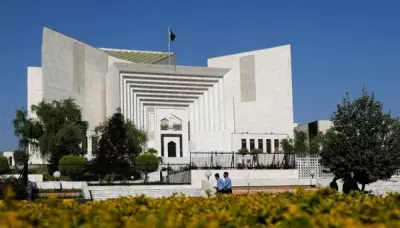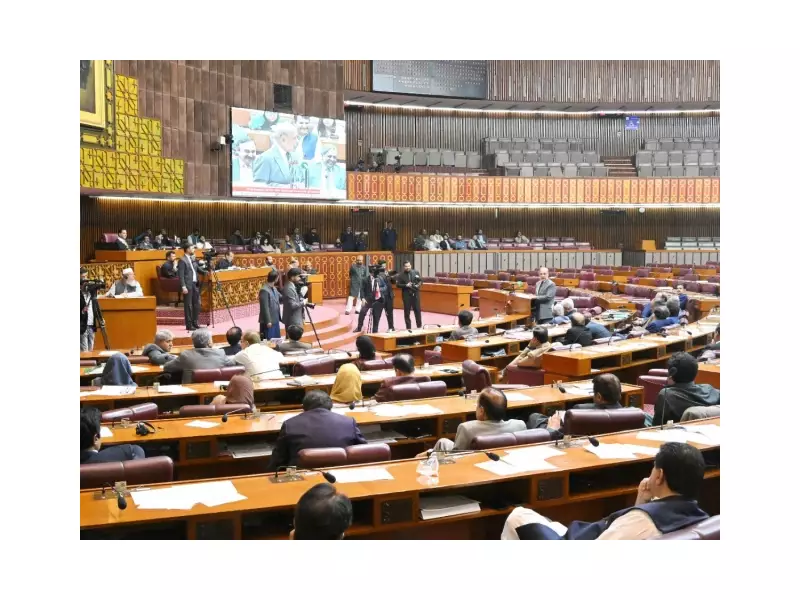
In a significant development, the Supreme Court of Pakistan has put a hold on an election tribunal's directive for conducting fresh polls at several stations in a key National Assembly constituency. This decision brings a temporary resolution to a contentious post-election dispute that had cast a shadow over the results.
The Court's Decision and the Bench
The apex court intervened after hearing appeals that challenged the tribunal's earlier verdict. A two-member bench, comprising Justice Naeem Akhtar Afghan and Justice Shahzad Ahmad Khan, presided over the case. Following the arguments, the bench decided to suspend the tribunal's order, effectively stopping the planned re-polling process for the time being.
Background of the NA-251 Controversy
The controversy stems from the general elections for the National Assembly seat NA-251. JUI-F candidate Syed Samiullah was officially declared the winner from this constituency after the vote count. However, the result was challenged, leading to the election tribunal's investigation.

The tribunal's decision to order a re-vote was based on a critical administrative failure. Official Form 45 documents from 22 different polling stations within the constituency had gone missing. These forms are vital legal records that detail the vote count at each station, and their absence raised serious questions about the transparency and verifiability of the results from those locations.
Implications and Next Steps
The Supreme Court's suspension order means the election tribunal's directive for re-polling at the 22 stations is now on hold indefinitely. This judicial stay provides a moment of respite for the declared winner, Syed Samiullah, and his party, the JUI-F. The legal battle, however, is far from over.
The core issue of the missing Form 45s and the legitimacy of the initial count remains unresolved. The Supreme Court will likely hear the full appeal in detail at a later date, where both sides will present their arguments comprehensively. The final judgment will have important implications for electoral integrity and the handling of documentation in Pakistan's polling process. All stakeholders now await the apex court's final ruling on the matter.