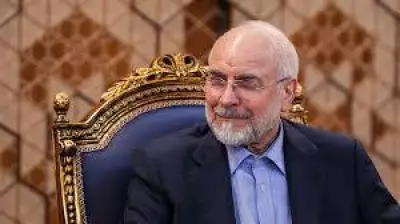
Senior Jamiat Ulema-e-Islam-Fazl (JUI-F) leader Maulana Abdul Ghafoor Haideri, widely known as Ali Mian, has made a firm and clear stance against any attempts to disrupt the upcoming general elections. He has categorically rejected the call for a strike and wheel jam on February 8, the day the nation is set to go to the polls.
A Call for Peaceful Participation
In a significant statement, Ali Mian emphasized the critical importance of maintaining peace and order during the electoral process. He directly addressed the public, urging them to ignore any calls for a shutdown and instead fulfill their national duty by casting their votes. His message was one of civic responsibility and constitutional adherence.
The veteran politician stressed that participating in the democratic process is the right of every citizen. He argued that boycotting the polls or preventing others from voting through coercive measures like strikes goes against the spirit of democracy. His appeal is seen as a move to ensure high voter turnout and the legitimacy of the election results.

Warning Against Political Instability
Ali Mian did not shy away from highlighting the potential dangers of political turmoil. He issued a stern warning that creating chaos or an environment of fear on election day would be detrimental to the country's stability. He linked political anarchy directly to severe economic consequences, suggesting that instability scares away investment and hampers growth.
His remarks underscore a broader concern within the political landscape about the need for a smooth transition of power. By rejecting the strike call, he is positioning his party as a responsible stakeholder interested in a functional democratic system, rather than one that seeks to gain advantage through disruption.
The Context and Implications
The rejection of the strike call by a prominent religious-political figure like Ali Mian carries considerable weight, especially among his support base. It serves to isolate more radical elements that might advocate for boycotts or protests. This move is likely intended to guide the party's followers towards a peaceful and participatory role on February 8.
The call for a peaceful election day on February 8 is now echoed by a major political force. This development is crucial for election authorities and security agencies tasked with ensuring a safe environment for voters. It reduces the likelihood of large-scale, politically motivated unrest that could disenfranchise citizens.
As the country prepares for a pivotal moment in its democratic journey, such calls for calm and constitutional compliance from senior leaders are vital. They set a tone that prioritizes the ballot box over street agitation, aiming to consolidate Pakistan's democratic traditions amidst challenging circumstances.