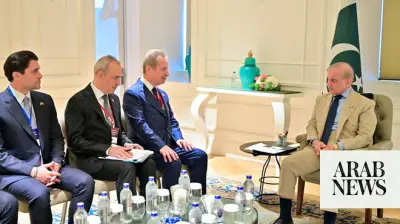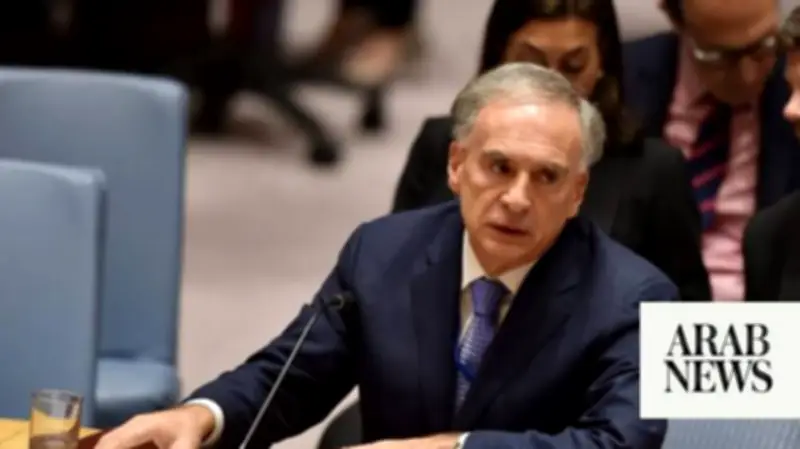
UN Special Coordinator for Lebanon Jean Arnault began a visit to Israel on Tuesday for talks with senior officials on consolidating the cessation of hostilities and advancing implementation of Security Council Resolution 1701, as humanitarian agencies warned that conditions on the ground in Lebanon remain critical despite a reduction in hostilities.
Arnault's mission and meetings
Arnault, officer-in-charge of the Office of the UN Special Coordinator for Lebanon, is scheduled to meet senior Israeli officials, UN spokesperson Stephane Dujarric told reporters at a daily briefing. Dujarric said the envoy was pressing for the full respect of Resolution 1701 to end hostilities between Hezbollah and Israel, for all parties to respect Lebanon's sovereignty and territorial integrity, and for a return to calm along the Blue Line on both sides of the Lebanon-Israel border, for the sake of people on both sides.
The visit follows a series of meetings Arnault held in Lebanon in recent days. He met Interior Minister Ahmad Al-Hajjar on Monday and separately with Lebanese Army chief Gen. Rodolph Haykal, with discussions focused on recent developments and efforts to strengthen stability in the country.

Humanitarian situation remains critical
On the humanitarian front, Dujarric said the situation in Lebanon remains critical, with major protection concerns and significant gaps in essential services, despite the reduction in hostilities since the ceasefire was announced on June 19. He said the return of displaced people is continuing but military activities and security incidents are still being reported, with conditions remaining fragile in many areas.
More than half-a-million people have begun returning to their shattered communities, but tens of thousands remain displaced, including more than 34,000 people still living in collective shelters, according to the UN. Dujarric added that many families are reluctant or unable to return because of damaged housing, insecurity, unexploded ordnance and the absence of basic services in their home villages.
Children bear disproportionate burden
Children continue to bear a disproportionate burden in the crisis, Dujarric said. UNICEF figures show an estimated 308,000 children remain displaced, more than 1 million children require some form of humanitarian assistance, and 62 unaccompanied or separated children have been identified. Disrupted education, psychosocial distress and limited access to services continue to affect children across conflict-affected areas.
Humanitarian partners are reporting increased protection concerns linked to child labor, school dropouts, exploitation, gender-based violence, domestic violence, harassment, movement restrictions and barriers to accessing humanitarian services, particularly in conflict-affected communities, Dujarric said.
Funding gaps hamper response
He added that the UN and its humanitarian partners are responding despite these challenges, but funding remains below required levels. The revised Flash Appeal launched by the UN and the Lebanese government on June 5 seeks $640 million to support 1.4 million vulnerable people through August. The appeal is currently only 42 percent funded, leaving critical and active gaps in the response.