Prime Minister Shehbaz Sharif Advocates for Islamic Solidarity in Middle East Crisis
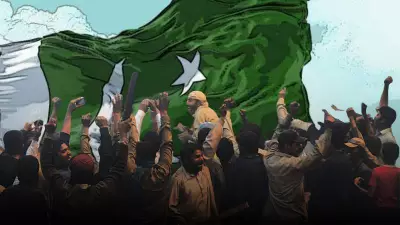
In a significant diplomatic address, Prime Minister Shehbaz Sharif has called for enhanced unity and cooperation among Islamic countries to effectively address the escalating tensions in the Middle East. The ongoing crisis, marked by geopolitical conflicts and humanitarian concerns, has prompted Pakistan to take a proactive stance in advocating for collective action within the Muslim world.
Emphasis on Diplomatic Engagement and Regional Stability
Prime Minister Sharif underscored the critical need for Islamic nations to present a united front in navigating the complex challenges posed by the Middle East situation. He highlighted that fragmented responses could undermine efforts to achieve lasting peace and stability in the region. The Prime Minister's remarks come at a time when various international actors are involved in the crisis, necessitating a cohesive approach from Muslim-majority countries.
Pakistan's role in this context has been emphasized as one of active diplomacy and mediation. The government has been engaging with key stakeholders to de-escalate tensions and promote dialogue. Prime Minister Sharif pointed out that Pakistan's historical ties and diplomatic channels position it uniquely to facilitate discussions aimed at resolving conflicts and addressing humanitarian issues arising from the crisis.

Call for Collective Action and Humanitarian Support
The Prime Minister's call for unity extends beyond political solidarity to include coordinated efforts in providing humanitarian assistance to affected populations. He stressed that Islamic countries should pool resources and expertise to alleviate the suffering of civilians caught in the crossfire of conflicts. This approach aligns with Pakistan's longstanding commitment to humanitarian causes and its advocacy for peaceful resolutions to international disputes.
In his address, Prime Minister Sharif also referenced the broader implications of the Middle East crisis on global security and economic stability. He warned that prolonged instability could have ripple effects, impacting not only the region but also international markets and security frameworks. By urging Islamic nations to work together, he aims to mitigate these risks and foster an environment conducive to sustainable development and peace.
Future Steps and International Collaboration
Looking ahead, Prime Minister Sharif outlined potential steps for enhanced collaboration among Islamic countries. These include:
- Establishing regular forums for dialogue on Middle East issues.
- Coordinating diplomatic initiatives at international organizations like the United Nations.
- Developing joint humanitarian programs to support crisis-affected communities.
The Prime Minister's message resonates with Pakistan's foreign policy objectives, which prioritize regional stability and multilateral cooperation. As the Middle East crisis continues to evolve, his call for unity serves as a reminder of the importance of collective action in addressing complex global challenges. The response from other Islamic nations will be closely watched, as it could shape the trajectory of diplomatic efforts in the coming months.