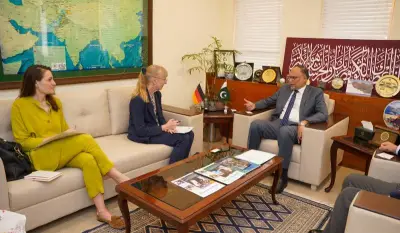
The world came perilously close to a devastating war involving Iran, the United States, and Israel—a conflict that could have triggered a wider regional conflagration with global consequences. According to the analysis, this moment of profound danger was averted largely due to the patient and constructive diplomacy spearheaded by Pakistan, with support from other nations. Prime Minister Shehbaz Sharif and Field Marshal Syed Asim Munir are credited with creating an environment that enabled communication between Washington and Tehran, preventing a catastrophe that would have left cities destroyed, families shattered, and generations condemned to further hatred.
Potential Devastation Beyond the Battlefield
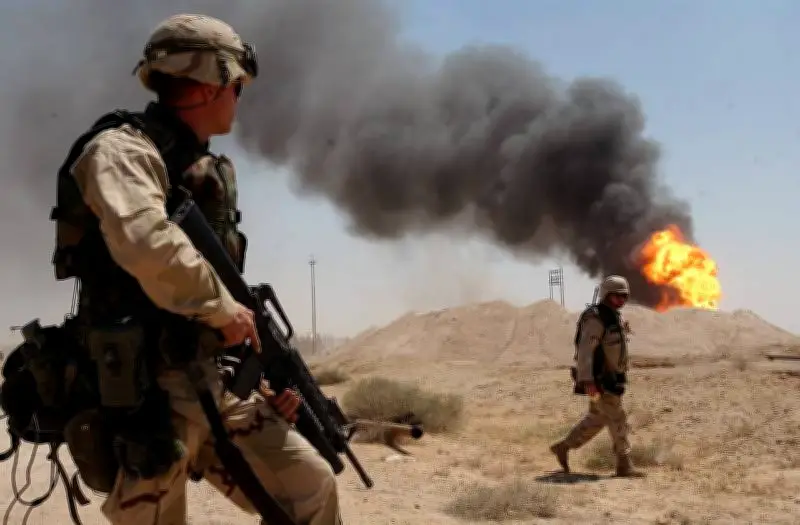
A full-scale war would have resulted in scenes of devastation: cities under attack, civilians fleeing for safety, overwhelmed hospitals, and damaged infrastructure. The Persian Gulf, a critical energy corridor, could have become a theatre of conflict, disrupting global energy supplies. Oil prices would have spiked, fueling inflation and economic hardship worldwide—from workers in Asia to families in Europe and businesses in Africa. The interconnected global economy would have felt the shockwaves far beyond the Middle East.
Geopolitical and Human Toll
Geopolitically, countries across the region would have been forced into difficult choices, damaging long-standing relationships and forging new alliances out of necessity rather than trust. Regional security arrangements could have been fundamentally altered. The greatest tragedy would have been human: millions could have lost homes, education, and families. A new generation might have grown up knowing war and fear as normal. Humanitarian organizations would have faced overwhelming challenges.

Pakistan’s Patient Constructive Diplomacy
The diplomatic efforts led by Pakistan demonstrated the potential of “patient constructive diplomacy.” According to the article, Prime Minister Shehbaz Sharif and Field Marshal Syed Asim Munir are rightly credited with helping keep channels open between Washington and Tehran. This required continuous engagement, careful balancing of interests, and the ability to persist despite mistrust. If the understanding develops into a durable arrangement, it will show that even historic rivals can step back from the edge of conflict when dialogue is given a chance.
The Fragility of Peace and the Role of Israel
Peace in the Middle East has always been fragile. Agreements require commitment, restraint, and a willingness to prioritize long-term stability over short-term political objectives. Israel remains a central factor. While every nation has the right to security, security cannot be achieved through endless confrontation. The international community must encourage all regional actors, especially Israel, to act responsibly and recognize the historic opportunity created by diplomacy. A single spoiler action—a military strike or political provocation—could undo months of careful work.
The Palestinian Question Cannot Be Ignored
At the heart of Middle Eastern instability lies the unresolved Palestinian question. Generations have experienced insecurity, displacement, and fear. Military strength alone cannot create lasting peace. A genuine regional peace process must address the legitimate aspirations of the Palestinian people while recognizing the security concerns of others. A credible pathway toward a free, viable, and sovereign Palestinian state, achieved through a fair, internationally supported process, would add credibility to broader peace efforts. Without progress on Palestine, regional peace initiatives will remain vulnerable.
A Historic Choice for the Region
The Middle East has too often been defined by conflict, yet it is a region of extraordinary history, talented populations, and immense economic potential. Resources consumed by rivalry and war could instead be invested in education, technology, healthcare, and infrastructure. The choice before the region is historic: continue along the path of suspicion and revenge, or move gradually toward dialogue and stability. The journey will not be easy, but history shows that even the most difficult conflicts can change direction when leaders choose courage over convenience.

The true significance of this moment is not only that a war was avoided, but that a new mindset may emerge—one where diplomacy is valued as highly as military strength, and peace is considered a strategic achievement. Perhaps historians will look back and recognize this as a turning point when the world stood close to disaster but chose dialogue instead. The greatest victory is not the war that is won, but the catastrophe that is prevented.