Iran Poised to Announce New Supreme Leader as Regional Conflict Intensifies
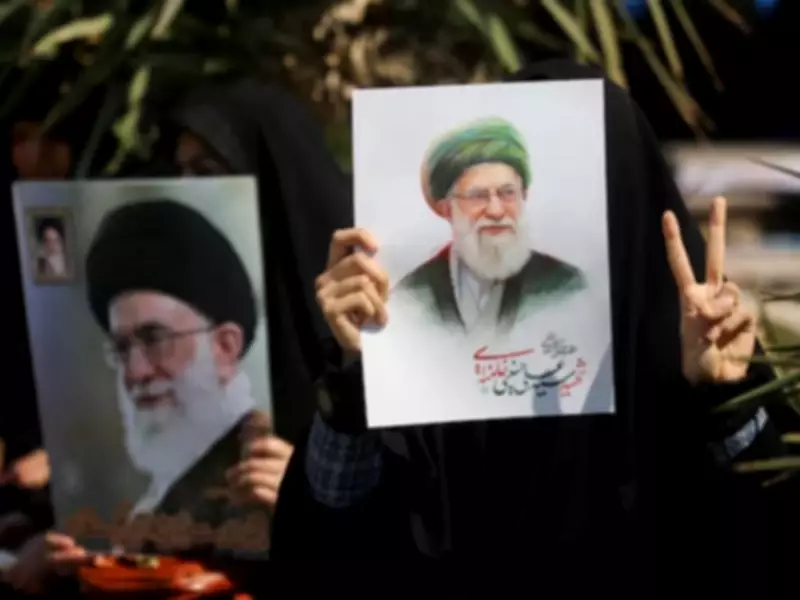
The clerical Assembly of Experts in Iran has reached a critical decision, selecting a successor to the late Supreme Leader Ayatollah Ali Khamenei, who was assassinated in US-Israeli air strikes just over a week ago, igniting a full-scale war in the Middle East. While the name remains undisclosed, the announcement is expected imminently, even as Israel issued a stark warning that it would not hesitate to target the new leader and the assembly members who confirmed him.
Decision Made Amid Devastating Strikes and Thick Smoke Over Tehran
Ahmad Alamolhoda, a member of the Assembly of Experts, confirmed to Iran's Mehr news agency that "the vote to appoint the leader has taken place and the leader has been chosen," with the secretariat set to reveal the identity later. Speculation suggests the position could go to the son of the late leader, highlighting the high-stakes nature of the succession.
This pivotal moment unfolds against a backdrop of severe military escalation. Overnight, Israeli air forces conducted targeted strikes on fuel storage facilities in and around Tehran, triggering massive fires that choked the capital in a dense blanket of smoke and disrupted fuel distribution. The CEO of Iran's national oil products distribution firm reported that warplanes hit five oil facilities, killing four people and causing significant damage.

Tehran's governor acknowledged that fuel distribution was "temporarily interrupted" for repairs, while residents described a dark haze and lingering smell of burning over the city. The Israeli army justified the attacks as necessary to prevent the facilities' use by the Iranian military.
Regional War Expands with No Clear End in Sight
As the conflict enters its ninth day, the war's reach has extended across the region:
- Iran's Revolutionary Guards declared they possess sufficient supplies to sustain aerial drone and missile campaigns for up to six months.
- Guards spokesman Ali Mohammad Naini warned that Iran has so far deployed only first- and second-generation missiles, with "advanced and less-used long-range missiles" poised for use in coming days.
- Saudi Arabia intercepted drones targeting Riyadh's diplomatic quarter, Kuwait reported attacks on fuel tanks at its international airport, and Bahrain confirmed damage to a water desalination plant.
- Lebanon's capital Beirut saw an Israeli strike on a hotel targeting suspected Iranian commanders, with the health ministry reporting at least 294 deaths from air strikes over the past week, prompting Prime Minister Nawaf Salam to warn of a looming "humanitarian disaster."
Iran has vowed retaliation against US assets, with new attacks reported in Saudi Arabia, Qatar, the United Arab Emirates, and Kuwait. Inside Iran, infrastructure and residential damage is mounting, accompanied by heightened security and public anxiety. A 26-year-old teacher anonymously told AFP, "I don't think anyone who hasn't experienced war would understand it," capturing the fear of living under bombardment.
Diplomatic Stalemate and Mounting Casualties
Iran's health ministry claimed at least 1,200 civilian deaths and 10,000 injuries, though these figures are unverified independently. Meanwhile, US President Donald Trump attended the repatriation of six American service members killed in a drone strike in Kuwait, reiterating that the war is "all but won" despite ongoing Iranian attacks. Trump has refused to rule out deploying American ground troops and suggested rebuilding Iran's economy under a leader "acceptable" to Washington—a proposal Tehran has rejected outright.
Analysts warn there is no clear path to ending a conflict that US and Israeli officials estimate could last a month or longer. Global powers like China and Russia have remained largely sidelined despite close ties with Tehran. China's top diplomat Wang Yi stated the war "should never have happened," emphasizing that "a strong fist does not mean strong reason. The world cannot return to the law of the jungle."

The combination of a leadership transition in Iran, relentless military strikes, and diplomatic deadlock underscores the volatile and expanding nature of this Middle East war, with profound implications for regional stability and global geopolitics.