Former Australian Soldier Speaks Out Against Afghan War Crimes Allegations
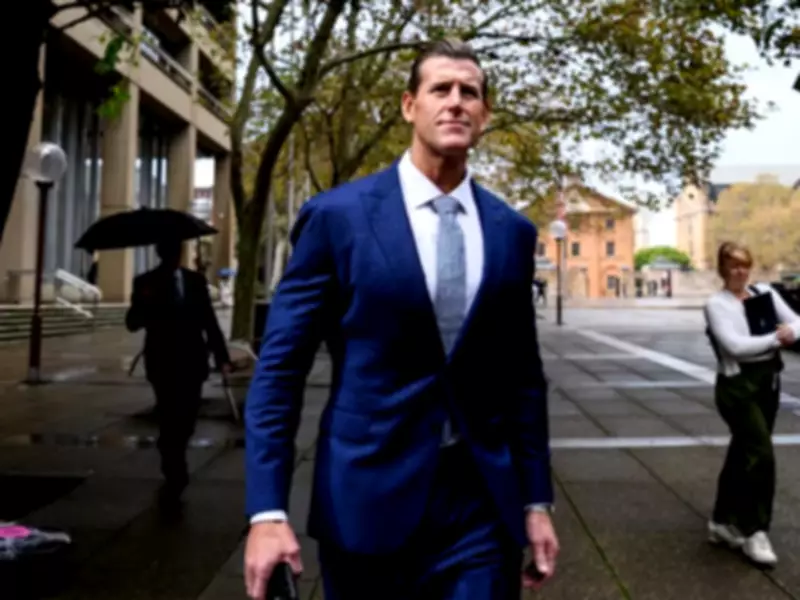
A former Australian soldier has broken his silence regarding allegations of war crimes committed during the conflict in Afghanistan. In a recent statement, he strongly denied the accusations, asserting that his actions were in line with military protocols and the rules of engagement. This development comes amid ongoing investigations by Australian authorities into alleged misconduct by its forces in Afghanistan.
Background of the Allegations
The allegations stem from Australia's involvement in the war in Afghanistan, where its troops were deployed as part of international coalition efforts. Over the years, there have been multiple reports and inquiries suggesting that some Australian soldiers may have committed war crimes, including unlawful killings and mistreatment of detainees. These claims have led to formal investigations, such as the Brereton Report, which highlighted serious concerns about the conduct of special forces personnel.
The former soldier, whose identity has not been fully disclosed in public reports, is among those implicated in these allegations. He has chosen to speak out now, citing a need to clear his name and address what he describes as false and damaging claims. In his defense, he emphasized that the operations in Afghanistan were complex and high-pressure environments, where decisions were made under extreme duress.

Defense and Counterarguments
In his public remarks, the ex-soldier argued that the allegations are based on misunderstandings or misinterpretations of events. He stated, "I served my country with honor and followed all legal and ethical guidelines. These accusations are not only hurtful but also undermine the sacrifices made by many who served in Afghanistan." He further pointed out that the investigations have relied heavily on hearsay and unverified sources, which he believes compromises their credibility.
Moreover, he highlighted the challenges faced by soldiers in conflict zones, where distinguishing between combatants and civilians can be difficult. He maintained that any actions taken were necessary for self-defense and the protection of fellow troops, and he called for a more nuanced understanding of the realities of war. This perspective aligns with broader debates within military circles about the ethical dilemmas of modern warfare.
Implications for Australian Military and International Relations
The case has significant implications for Australia's military reputation and its international relations. If proven, war crimes allegations could lead to legal consequences for individuals and damage Australia's standing as a responsible member of the global community. Conversely, if the accusations are found to be unfounded, it could raise questions about the integrity of the investigative processes.
Australian authorities have reiterated their commitment to thorough and transparent investigations. A spokesperson for the Department of Defence stated, "We take all allegations of misconduct seriously and are dedicated to ensuring accountability while respecting the rights of those involved." The outcome of these probes is awaited with keen interest, as it may influence future military operations and policies.
Public and Veteran Reactions
The former soldier's statements have sparked mixed reactions among the public and veteran communities. Some support his right to defend himself and question the validity of the allegations, while others stress the importance of holding military personnel accountable for any wrongdoing. This divide reflects broader societal tensions over how to balance national security concerns with human rights obligations.
In conclusion, the former Australian soldier's decision to speak out adds a new dimension to the ongoing discourse on war crimes in Afghanistan. As investigations continue, this case underscores the complexities of military justice and the enduring impact of conflict on those who serve. It remains to be seen how this will affect the broader narrative around Australia's role in Afghanistan and the pursuit of truth and reconciliation in post-war contexts.