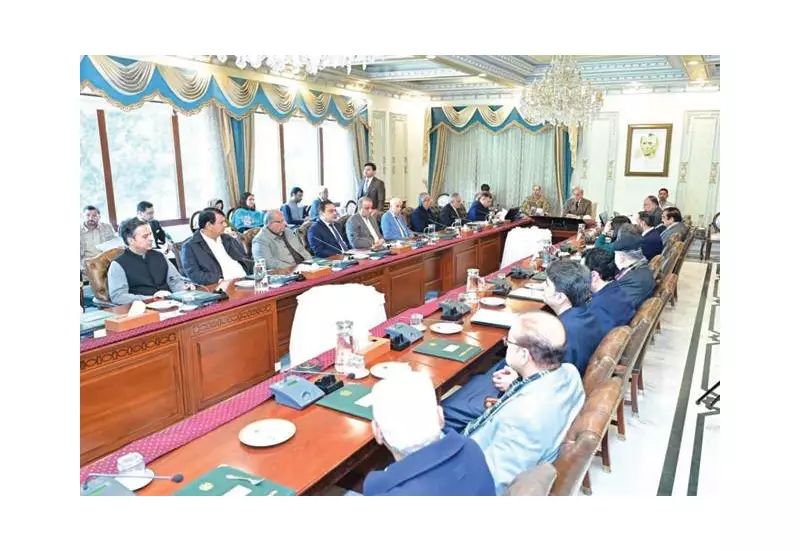
In a significant move aimed at overhauling the country's aviation sector, the federal cabinet of Pakistan has thrown its weight behind the privatisation of the national flag carrier, Pakistan International Airlines (PIA). The decision was made during a cabinet session chaired by Prime Minister Shehbaz Sharif on January 2, 2026, marking a pivotal step in the government's reform agenda.
Key Decisions from the Cabinet Meeting
The cabinet meeting, which took place in Islamabad, resulted in a series of crucial approvals. The most prominent among them was the endorsement of the privatisation process for Pakistan International Airlines. This decision aligns with the government's broader strategy to disengage from loss-making state-owned enterprises and attract private investment to improve efficiency and service quality.
Alongside the PIA decision, the cabinet also gave its nod to the National Airline Policy 2026. This new policy framework is designed to create a more competitive and sustainable aviation environment in Pakistan. It outlines guidelines for the operation of airlines, both domestic and international, aiming to enhance safety standards, promote fair competition, and boost connectivity.

Furthermore, the cabinet approved the appointment of a new Chief Executive Officer (CEO) for the Pakistan Steel Mills (PSM). This move is seen as part of ongoing efforts to revitalise another major state-owned entity that has faced financial and operational challenges for years.
The Rationale Behind PIA's Privatisation
The push for PIA's privatisation is not a sudden development but the culmination of years of financial strain. The airline has been grappling with massive debts and consistent operational losses, placing a significant burden on the national exchequer. Successive governments have attempted restructuring, but the desired turnaround remained elusive.
Proponents of the privatisation argue that private ownership and management will bring in much-needed capital, modern expertise, and a customer-centric approach. They believe this is essential for PIA to compete effectively in the global aviation market, upgrade its aging fleet, and restore its tarnished reputation regarding safety and punctuality.
The cabinet's approval is a formal political mandate, allowing the relevant ministries and the Privatisation Commission to proceed with the transaction process. This will likely involve valuing the airline's assets, addressing its liabilities, and inviting expressions of interest from potential strategic investors, both domestic and international.
Implications and the Path Forward
The decision has far-reaching implications for Pakistan's economy and its workforce. While it promises long-term benefits for the aviation sector, it also raises concerns about job security for thousands of PIA employees and the future of associated assets. The government has assured that the process will be transparent and that employee interests will be considered, though specific details of a transition plan are yet to be fully disclosed.
The approval of the National Airline Policy 2026 alongside the privatisation move indicates a holistic approach. The policy is expected to lay the groundwork for a more liberalised sky, potentially encouraging new entrants and lowering fares for consumers, even as PIA undergoes its transformation under new ownership.
The coming months will be critical as the technical and financial details of the PIA sale are worked out. The success of this initiative will depend on a smooth, corruption-free process that ultimately leads to a revitalised airline capable of serving as a true ambassador for Pakistan on international routes. The cabinet's decision on January 2nd has set this complex and historic process into motion.