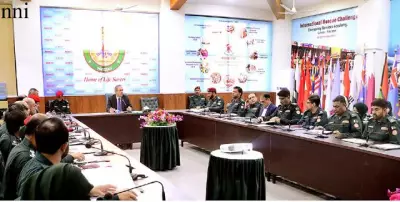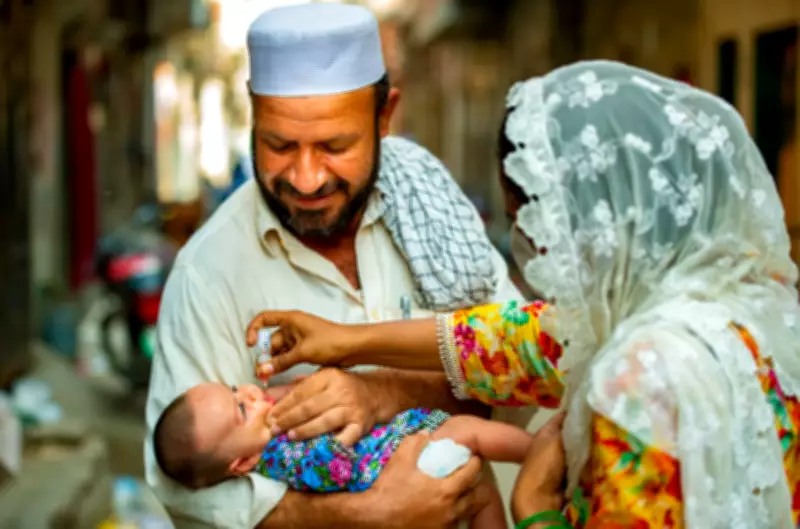
Punjab is set to launch the National Polio Immunization Days (NIDs) campaign starting Monday, February 2, with a goal to vaccinate more than 17.8 million children under the age of five across the province. This announcement was made by Adeel Tasawur, the EOC Coordinator and Head of the Punjab Polio Eradication Programme, during an interview with Radio Pakistan.
Campaign Details and Duration
The province-wide anti-polio drive is a critical component of Pakistan's final effort to interrupt poliovirus transmission and safeguard children from this debilitating disease. Tasawur outlined that the campaign will run for seven days in Lahore, while it will be conducted over four days in all other districts of Punjab. This strategic timing aims to maximize coverage and efficiency in the vaccination process.
Deployment of Frontline Workers
To ensure the success of this initiative, over 200,000 trained frontline polio workers will be deployed throughout Punjab. These dedicated professionals will work tirelessly to administer polio drops to every eligible child, emphasizing the importance of reaching even the most remote and underserved communities.

Community Engagement and Media Role
Tasawur stressed that parents' trust and community ownership are central to the polio eradication efforts. He highlighted the vital and responsible role of the media in countering misinformation and building public confidence. By fostering a supportive environment, the campaign aims to overcome any hesitancy and ensure widespread participation.
Data-Driven Planning
Authorities are employing data-driven microplanning based on surveillance results and population movement patterns. This approach is designed to ensure that no child is left unvaccinated during the campaign, leveraging insights to target areas with higher risks and mobility.
In summary, this extensive polio immunization campaign in Punjab represents a significant step towards eliminating the virus from Pakistan, with a focus on comprehensive coverage, community involvement, and strategic planning to protect the health of millions of children.