Hope vs. Optimism: A Psychological Guide to Navigating Life's Challenges
In today's complex world, many people report feeling dissatisfied with their lives and uncertain about the future. Polling data indicates widespread American discontent, driven by factors like technological disruption threatening jobs, ongoing conflicts, and global economic instability. Amid this backdrop, individuals still face daily pressures to maintain productivity and personal well-being, creating a challenging emotional landscape.
The Fundamental Difference Between Hope and Optimism
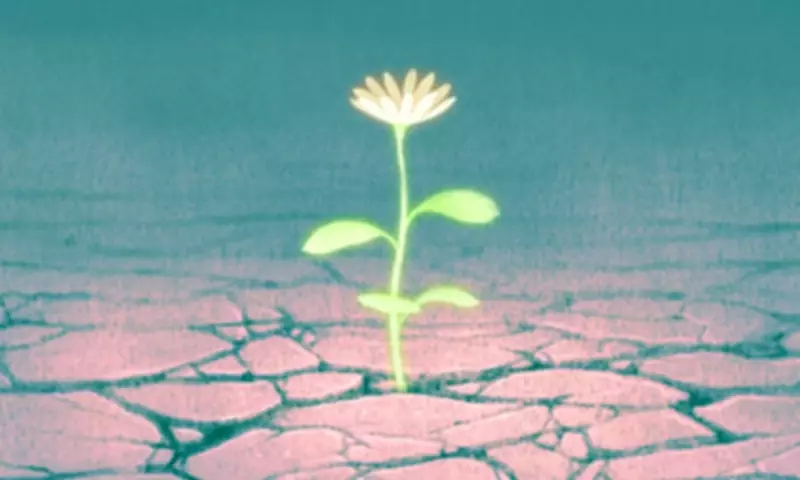
Stanford psychology professor Jamil Zaki, who directs the Social Neuroscience Lab, draws a critical distinction between two commonly conflated concepts. Optimism represents the belief that the future will inevitably improve, often associated with happiness and health benefits but potentially leading to complacency. In contrast, hope acknowledges current difficulties while maintaining that positive outcomes remain possible through effort.
"Hope embraces uncertainty," Zaki explains. "It recognizes that things are difficult right now but asks 'Where can we go from here?' This active engagement with challenges distinguishes hope from passive optimism."

The Dangers of Toxic Positivity and Cultural Cynicism
Modern discourse sometimes promotes "toxic optimism" that encourages people to dismiss genuine problems. Simultaneously, cultural pressures often valorize cynicism, with research showing 70% of people believe cynical individuals are smarter and 85% think they're better at detecting deception. However, psychological studies contradict these assumptions, finding cynical people no more intelligent and actually worse at identifying truthfulness.
Zaki warns that hopelessness serves authoritarian interests by discouraging civic participation. "When people feel hopeless, they're less likely to vote or join social movements," he notes. "This paralysis benefits those who want to maintain control."
Cultivating Hope Through Action and Community
Hopeful individuals typically demonstrate three key characteristics: the ability to envision a better future, the determination to pursue it despite obstacles, and "waypower"—the capacity to map practical pathways toward desired outcomes. Importantly, hope often flourishes in community contexts rather than isolation.
"Think of activists like Nelson Mandela," Zaki suggests. "His hope wasn't based on certainty about outcomes but on commitment to creating change alongside others."
The Origins and Development of Hopeful Mindsets
Genetic factors account for only about 25% of individual differences in hopefulness, leaving the majority influenced by life experiences. Nurturing childhood environments tend to foster greater hope, but people can develop hopeful perspectives at any life stage through practices like therapy, community engagement, and intentional habit formation.
Contrary to popular assumptions about widespread despair, many people report actively cultivating positivity through hobbies and local connections. "When we actually ask people about their lives," Zaki observes, "we discover remarkable resilience and creativity in ordinary communities."
Practical Strategies for Building Hope
Engaging in hobbies represents one effective approach, as these activities encourage focused attention and often facilitate social connections. Zaki shares his experience with film photography: "It makes you notice details you'd otherwise miss—shadows, reflections, architectural angles. Plus, people naturally approach you to talk about the camera, creating unexpected interactions."
This practice of "noticing" serves as a cornerstone of hope cultivation. Rather than ignoring problems, hopeful people consciously balance awareness of difficulties with attention to beauty and possibility. Historical perspective also helps, as recognizing humanity's past resilience during even darker periods can provide meaningful context for current challenges.
"We've survived so much as a species," Zaki reflects. "That doesn't guarantee everything will work out, but it reminds us of our collective capacity for endurance and transformation when we come together."