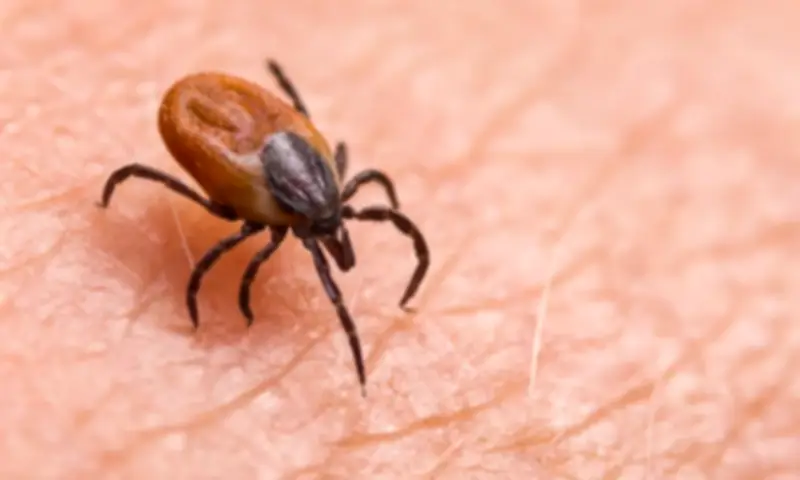
Japan is experiencing a surge in cases of severe fever with thrombocytopenia syndrome (SFTS), a potentially fatal tick-borne disease, with infection numbers outpacing last year's record pace, according to preliminary data from a national health research body.
Rising Case Numbers
A total of 72 SFTS cases had been reported as of June 7, according to data released by the Japan Institute for Health Security. This compares with 68 cases during the same period in 2025, when Japan recorded an annual high of 192 cases.
Health Minister Kenichiro Ueno stated at a press conference on Tuesday that the number of patients is trending upward. He emphasized the need for nationwide vigilance and promised continued monitoring of the infection situation.

Preventive Measures
As ticks are most active from spring through autumn, Ueno urged people to cover their skin when entering grassy areas and to use insect repellent on pet dogs and cats.
SFTS is most commonly spread through tick bites but can also be transmitted through contact with the blood of infected people or animals. After an incubation period of six to 14 days, patients may develop symptoms such as fever, vomiting, diarrhea, and impaired consciousness.
Fatality Rate and Treatment
SFTS is estimated to have a fatality rate of 10 to 30 percent. While there is no vaccine for the infection, an antiviral drug has been approved in Japan.
The country confirmed its first SFTS case in 2013 in a woman in Yamaguchi Prefecture, western Japan. Annual case numbers generally remained below 100 until 2021 but have exceeded that level every year since. More SFTS cases have been reported in western Japan than eastern parts of the country.