Sania Saeed Criticizes Binary Portrayal of Women on Pakistani TV
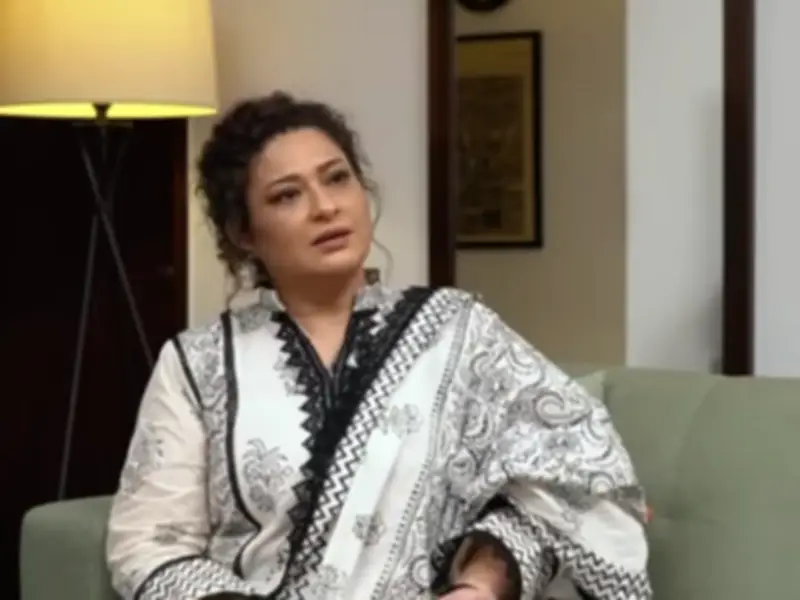
In a recent interview with Aamna Haider Isani, veteran actor Sania Saeed examined the systemic shortcomings of Pakistani television, particularly its portrayal of women. She noted that female characters are often confined to an exhausting binary: the helpless victim (mazloom) or the scheming antagonist. Saeed, known for choosing roles that challenge stereotypes, credited progressive writers like Bee Gul for breaking these archetypes. 'She is incapable of writing a straight, simple character,' Saeed remarked.
Rejection of 'Audience Wants Light Content' Argument
Saeed strongly rejected the common industry justification that audiences prefer light, uncomplicated content due to daily stress. She argued that reducing entertainment to passive consumption weakens emotional and intellectual engagement. 'Our definition of entertainment itself has become about just passing the time. Let me do five other tasks while having this on in the background,' she said. She added that simplistic storytelling creates characters so predictable that viewers understand everything immediately, whether watching the first or eighth episode.
Complex Narratives as a Solution to Stress
When asked if simple narratives could be justified for a stressed public, Saeed countered that people remain trapped in stressful situations precisely because they lack awareness and understanding. She emphasized the need for directors like Kashif Nisar and Mazhar Moin, who challenge formulaic storytelling. According to Saeed, even within familiar tropes, perceptive directors and committed actors can create authentic, human moments.

Structural Issues and Internalized Beliefs
The discussion also explored broader societal issues. Saeed argued that television normalizes oppressive dynamics because creators have internalized those beliefs. 'It's not just a few writers; there are many writers, both men and women, whose entire ideology reinforces the notion that this is just the way the system is,' she observed.
Encouraging Curiosity Over Judgment
In an era of instant online commentary, audiences often condemn flawed fictional characters. Saeed urged viewers to approach them with curiosity rather than judgment, arguing that compelling storytelling should reflect human complexity. 'When you tell a story, and this is our fundamental argument with all those people who claim the audience only wants to see this, alongside your own integrity and the story's integrity, you must keep respect for your audience in mind,' she said.
Art as a Mirror
Ultimately, Saeed's message was that great stories trust audience intelligence. Art functions as a mirror; if viewers refuse to engage with complicated, flawed, and even 'sinful' women on screen, they may also refuse to understand real women around them.