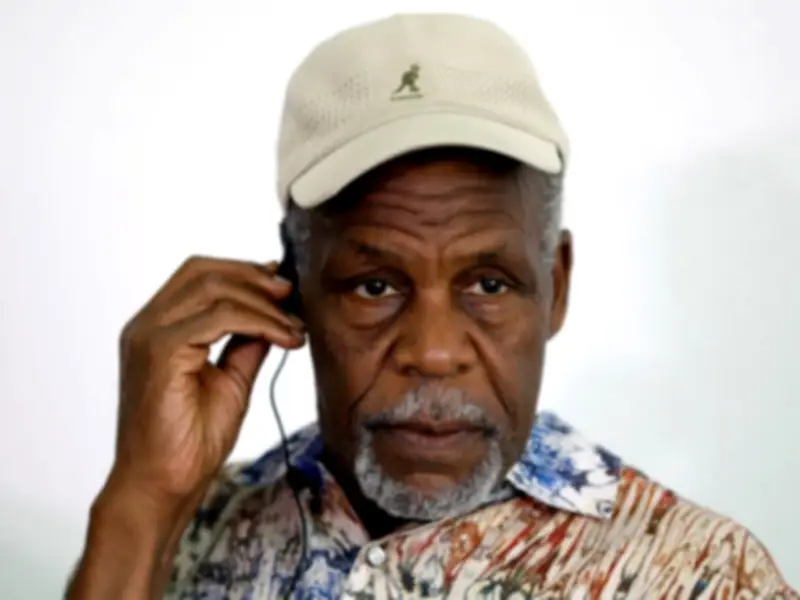
Danny Glover has publicly disclosed that he is living with Alzheimer's disease, revealing that he received the diagnosis shortly after being honored with an honorary Oscar in 2022. The 79-year-old actor, best known for his role in the Lethal Weapon franchise, shared his health condition during an interview on NBC's Today show.
Glover's Acceptance and Outlook
Glover stated that he has come to terms with the diagnosis, though he acknowledges the difficulties ahead. "I could live with it in a sense," Glover said. However, he added, "I'm sure as it advances, things are going to be different and changing." His comments reflect a pragmatic acceptance of the progressive nature of the disease.
Family Support and Public Disclosure
Glover emphasized the unwavering support from his family, noting that his loved ones have "absolutely … got [his] back" throughout his journey. His daughter, Mandisa Glover, appeared alongside him in the interview and explained the motivation behind going public. "It's really important" for him to have "control of his own narrative, of his own life story," she said. Mandisa added, "That's really important. And the time is now. What better time but now for him to speak for himself? It's important because people ask questions sometimes, and I don't want to be a dishonest person and say, 'Oh, yeah, everything is all right. It's all great.'"

Career Reflections and Social Responsibility
During the interview, Glover reflected on his extensive career, naming Places in the Heart, in which he starred alongside Sally Field, as his favorite project. Looking forward, he expressed a desire to continue encouraging younger generations to embrace social responsibility. "Justice is our collective responsibility," Glover said. "One thing I learned from my parents most of my life is the capacity of people to change through their own. They become the architect of their change."
Previous Health Disclosure: Epilepsy
Glover has previously spoken openly about living with epilepsy. He experienced his first seizure at the age of 15 and managed the condition with medication for two decades before his seizures stopped at the age of 35. This earlier health challenge has informed his approach to his current diagnosis.