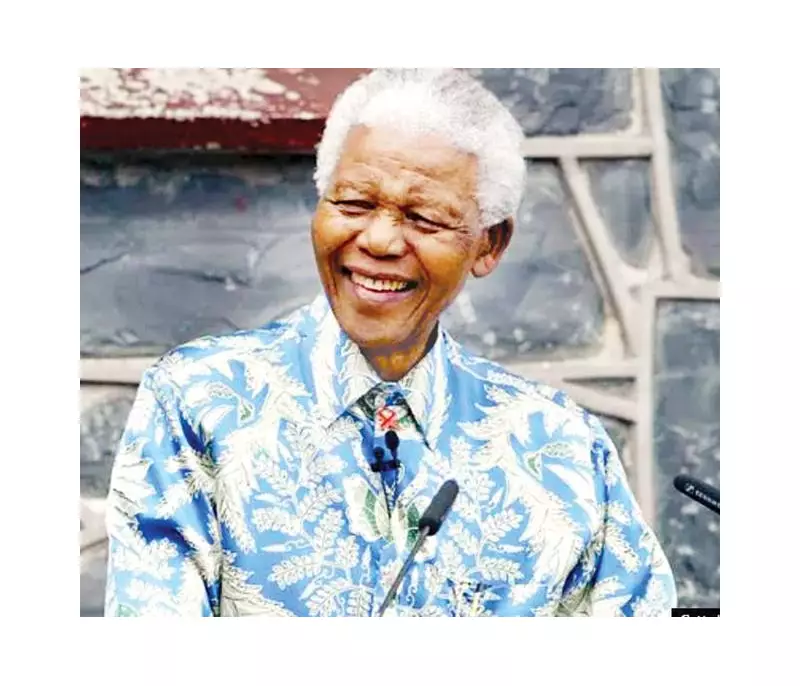
Nelson Mandela's Personal Items to Be Sold After Daughter Wins Court Battle
A South African court has recently made a significant ruling that permits the sale of several personal items belonging to the late anti-apartheid icon, Nelson Mandela. This decision comes after a legal dispute involving his daughter, who has successfully argued for the right to sell these artifacts. The items in question include a symbolic prison key, a pair of sunglasses, and a shirt, all of which hold historical and sentimental value.
Details of the Court Ruling
The court battle centered on the ownership and future of these personal effects, which have been at the heart of a family disagreement. Mandela's daughter, whose name has not been disclosed in all reports, filed a case to assert her claim over the items. The court found in her favor, determining that she has the legal authority to proceed with the sale. This ruling overturns previous attempts to block the transaction, which were based on concerns about preserving Mandela's legacy and ensuring the items remain in South Africa.
Legal experts have noted that this case highlights the complexities of handling the estates of global figures, especially when it involves items of cultural and historical significance. The court emphasized that while Mandela's contributions to human rights and democracy are invaluable, the personal rights of his heirs must also be respected under the law.

Significance of the Items
The items set for sale are not just ordinary possessions; they are deeply connected to Mandela's life and struggle. The prison key is particularly poignant, as it symbolizes his long imprisonment on Robben Island, where he spent 18 of his 27 years in jail for opposing apartheid. The sunglasses and shirt, though more mundane, are seen as part of his personal style and daily life, offering a glimpse into the man behind the public figure.
Historians and collectors have expressed mixed reactions to the news. Some argue that selling these items could lead to their dispersal and potential loss from public view, while others believe it allows for broader access and appreciation of Mandela's legacy. The sale is expected to attract significant interest from museums, private collectors, and institutions worldwide, given Mandela's global stature.
Implications for Mandela's Legacy
This court decision raises important questions about how the legacies of historical figures are managed and preserved. Mandela, who passed away in 2013, left behind a vast array of personal and political artifacts, many of which are housed in museums and archives. The sale of these specific items could set a precedent for future cases involving other items from his estate.
Supporters of the sale argue that it provides an opportunity to generate funds that could be used for charitable causes aligned with Mandela's values, such as education and social justice. However, critics worry that commercializing such items might undermine their symbolic meaning and reduce them to mere commodities.
In conclusion, the court's ruling marks a pivotal moment in the ongoing narrative of Nelson Mandela's posthumous legacy. As the sale proceeds, it will undoubtedly spark further debate about the balance between personal inheritance and public heritage in the context of iconic figures.