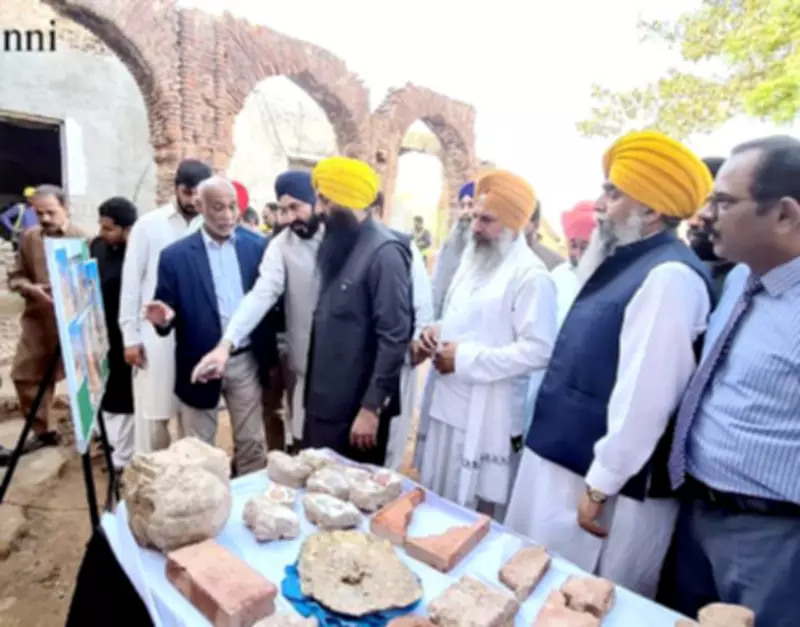
Federal Minister Inaugurates Major Restoration Project for Minority Religious Sites
A federal minister has officially launched a comprehensive restoration project aimed at preserving and revitalizing minority religious sites across Pakistan. This initiative, which was inaugurated in a ceremony held in Islamabad, seeks to protect the cultural and historical heritage associated with various religious communities in the country.
Project Details and Objectives
The restoration project focuses on the conservation of temples, churches, gurdwaras, and other places of worship that belong to minority faiths. According to official statements, the project will involve structural repairs, maintenance of architectural features, and the installation of modern amenities to ensure these sites remain accessible and functional for worship and tourism.
The minister emphasized that this effort is part of a broader commitment to safeguarding Pakistan's diverse cultural legacy. By restoring these religious sites, the government aims to foster a sense of inclusion and respect for all religious groups, thereby strengthening national unity and social cohesion.

Significance for Cultural Heritage and Interfaith Harmony
This project holds significant importance for the preservation of Pakistan's rich cultural tapestry. Many of these minority religious sites date back centuries and feature unique architectural styles that reflect the historical interactions between different communities. Their restoration not only protects tangible heritage but also serves as a symbol of the country's dedication to religious tolerance and pluralism.
Experts in cultural preservation have welcomed the initiative, noting that it aligns with international standards for heritage conservation. They highlight that such projects can boost cultural tourism, providing economic benefits to local communities while educating the public about the nation's multifaceted history.
Implementation and Future Plans
The restoration work will be carried out in phases, with priority given to sites that are in urgent need of repair due to age, neglect, or environmental factors. Government agencies will collaborate with local communities and religious leaders to ensure that the restoration process respects the sanctity and traditions associated with each site.
- Phase one will target sites in major urban centers, including Karachi, Lahore, and Islamabad.
- Subsequent phases will extend to rural and remote areas, ensuring nationwide coverage.
- Regular monitoring and maintenance plans are being developed to sustain the restored sites over the long term.
In addition to physical restoration, the project includes educational programs to raise awareness about the importance of these sites. These programs will involve workshops, exhibitions, and community engagement activities designed to promote interfaith dialogue and mutual understanding.
Broader Implications for National Policy
The inauguration of this project underscores the government's ongoing efforts to address the needs and rights of minority communities in Pakistan. It reflects a policy shift towards more inclusive development, where cultural and religious diversity is recognized as a strength rather than a division.
By investing in the restoration of minority religious sites, the government is sending a clear message of solidarity with all citizens, regardless of their faith. This initiative is expected to have positive ripple effects, encouraging greater social harmony and contributing to Pakistan's image as a nation that values its cultural heritage and religious diversity.