

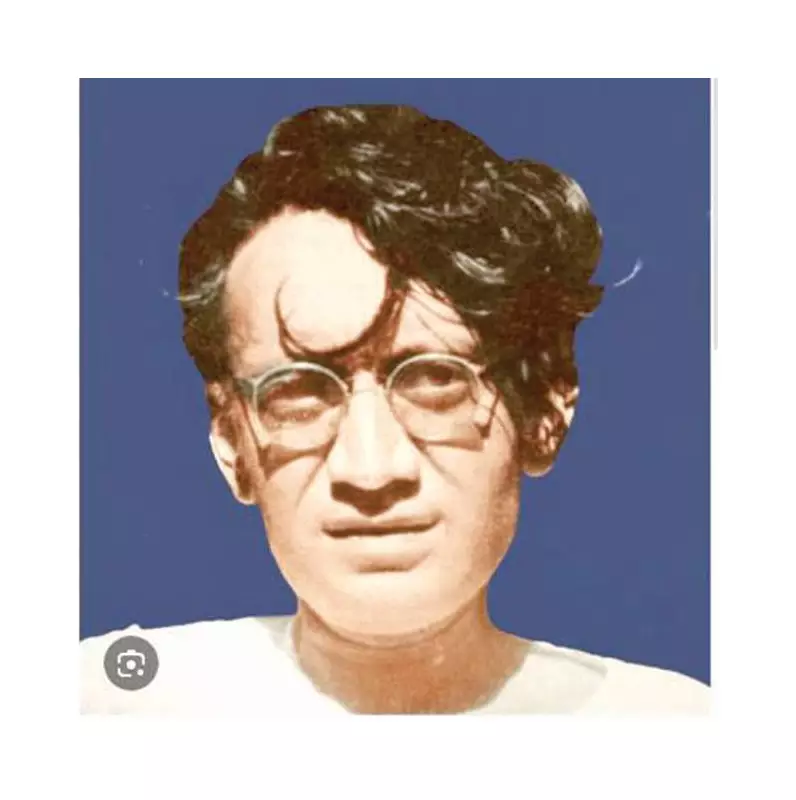
The Pakistani literary world came together on the 19th of January to honor the memory and monumental contributions of one of its most celebrated and controversial figures, Saadat Hasan Manto. Writers, poets, and intellectuals gathered to pay homage to the master of the Urdu short story, whose unflinching narratives continue to resonate deeply within the cultural consciousness of the nation.
A Legacy of Courageous Storytelling
Saadat Hasan Manto, born in 1912, is revered for his bold and realistic portrayal of the human condition, particularly during the traumatic period of the Partition of the Indian subcontinent in 1947. His stories, such as 'Toba Tek Singh', 'Khol Do', and 'Thanda Gosht', broke societal taboos and exposed the raw, often brutal, realities of his time. The tributes paid on this day emphasized that Manto was not merely a writer but a chronicler of truth, whose work forced society to confront its own hypocrisies and complexities.
Speakers at the event highlighted that his writing style was marked by profound psychological insight and a stark, minimalist prose that delivered powerful emotional punches. Despite facing multiple obscenity trials during his lifetime, Manto's artistic integrity remained unshaken. His defense was always that society, not his pen, was obscene. This unwavering commitment to his craft has cemented his status as a literary icon whose relevance has only grown with time.

Enduring Influence on Modern Pakistani Literature
The commemorative event served as a platform to discuss Manto's lasting influence on contemporary Pakistani writers and artists. His fearless approach to topics like sexuality, violence, and socio-political commentary paved the way for future generations to explore narratives with greater honesty and depth. Participants noted that in today's Pakistan, where discussions on identity and history remain crucial, Manto's work provides an essential framework for understanding the nation's formative pains and enduring spirit.
Several modern authors and playwrights credited Manto as a foundational inspiration, stating that his ability to humanize the marginalized and give voice to the voiceless remains a guiding principle in their own work. The discussion also touched upon the numerous adaptations of his stories in film, television, and theater, both in Pakistan and internationally, which have introduced his genius to new, global audiences.
Commemoration and Cultural Reflection
The gathering on the 19th of January was not merely a nostalgic look back but a vibrant engagement with Manto's ideas. Poetry recitations, readings of his most famous short stories, and analytical discussions formed the core of the day's activities. The participants collectively reflected on how Manto's literature holds up a mirror to society, challenging readers to think critically about issues of morality, partition trauma, and human resilience.
The event underscored the importance of preserving and celebrating Pakistan's rich literary heritage. In an age of rapid digital consumption, the organizers stressed the need to revisit classical writers like Manto to anchor cultural discourse in substance and historical context. The tribute concluded with a renewed commitment from the literary community to champion the values of free expression and empathetic storytelling that Manto embodied throughout his tumultuous career.
Ultimately, the homage paid to Saadat Hasan Manto reaffirmed his position as a pillar of Urdu literature. His stories, born from the ashes of partition, continue to teach, disturb, and enlighten, proving that true art is timeless. The 19th January commemoration served as a powerful reminder that Manto's pen, though stilled for decades, continues to write its indelible mark on the heart of Pakistani culture.

