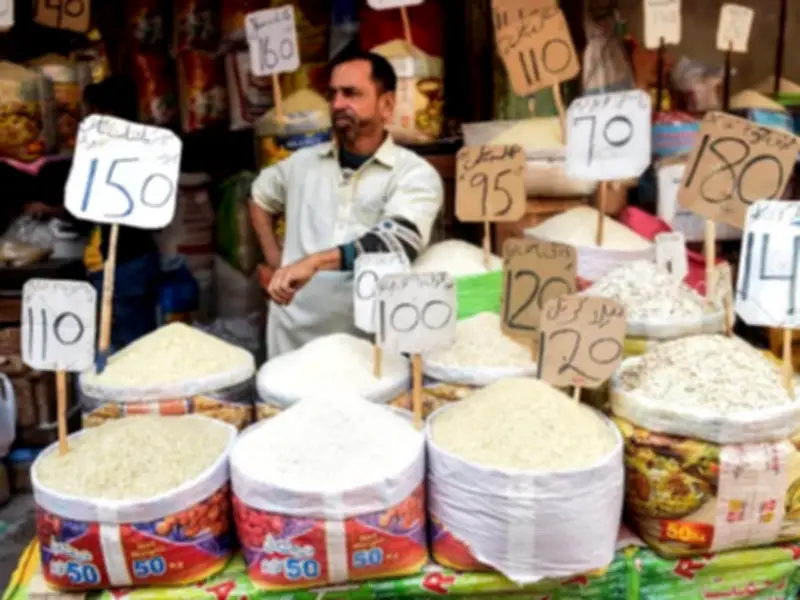
The government achieved the annual average inflation target of 7.5% for fiscal year 2025-26, with the Pakistan Bureau of Statistics (PBS) reporting an average increase of 7.1% in the prices of a basket of goods and services for the year ended June 30. This was within target largely due to low food prices during most of the fiscal year, despite the impact of the Middle East conflict.
Year-on-Year Inflation Surges in June
Year-on-year inflation hit 11.1% in June, significantly higher than the target, fueled by imported goods costs driven by rising diesel and petrol prices. PBS data showed that prices of liquefied hydrocarbons increased by 61% over the year, transport services rose 40%, and postal services surged 35%.
Although petrol prices in June were 12% lower due to falling global markets, they remained 32% higher than in June of the previous year. Electricity charges were 24% higher than a year ago. Consumers have faced rising petrol, diesel, and electricity costs since 2022, when Pakistan began implementing fiscal stabilization policies under the International Monetary Fund (IMF) program to avoid sovereign default.

Central Bank Measures and Global Factors
The central bank attempted to tackle imported inflation by increasing its policy rate to 11.5%, but prices only declined when global markets dipped. Official data indicated that the pace of price increases slowed across the country, with all three major indicators showing respite in June. Urban inflation rose 11.2% year-on-year in June, slower than the previous month but nearly four times higher than a year ago. In rural areas, inflation was 10.9% year-on-year in June, also lower than the previous month but three times higher than a year ago.
The non-food, non-energy core inflation slowed to 8.4% annually in urban areas and 7.9% in rural regions. The average inflation-adjusted key interest rate was positive by 4.4% at the end of fiscal year 2026, which is fattening bank balance sheets as they lend unrestrictedly to the federal government after the scrapping of the advance-to-deposit ratio (ADR) tax.
Food Inflation and Outlook
PBS data showed wheat prices rose 65% in June compared to a year ago, as farmers received better prices for the crop. Onion rates were 60% higher, and wheat flour became 55% more expensive. Overall food inflation inched up in both urban and rural areas in June, with urban food inflation at 8.2% and rural at 9.4%. Conversely, non-food inflation declined in both areas due to reductions in petrol and diesel prices, though consumers still pay prices higher than before the Middle East conflict.
For the new fiscal year, the government has set an inflation target of 8.2%, which officials believe can be achieved as fuel prices decline following a temporary peace agreement between the United States and Iran, brokered by Pakistan and Qatar.