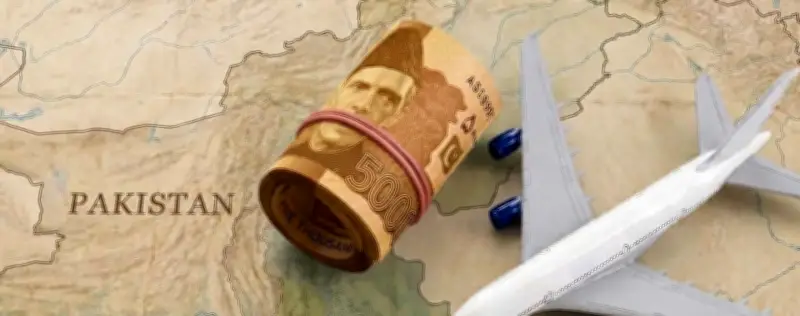
Holiday Costs Surge Across Pakistan
Pakistanis planning holidays are facing significantly higher expenses as a combination of new taxes, rising fuel prices, and persistent inflation drive up costs across the travel and leisure sectors. According to industry experts and recent data, the cost of domestic travel, accommodation, and dining has increased by up to 30% compared to the same period last year.
New Taxes Hit Travel and Hospitality
The federal government’s recent budget introduced additional taxes on airline tickets, hotel bookings, and restaurant services. A 5% increase in the federal excise duty on air travel and a 2% hike in sales tax on hotel accommodations have been implemented. “These taxes are directly passed on to consumers, making even a weekend getaway a costly affair,” said a spokesperson for the Pakistan Hotels Association.
Fuel Price Hikes Drive Up Transport Costs
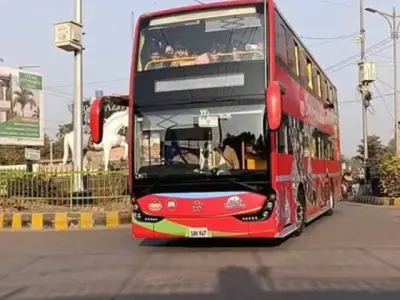
Fuel prices have risen by over 15% since January, with petrol now costing Rs. 290 per liter. This has led to higher fares for buses, taxis, and ride-hailing services. The average cost of a round-trip bus ticket from Lahore to Karachi has increased from Rs. 6,000 to Rs. 8,000, according to the Pakistan Bus Owners Federation.

Inflation Erodes Purchasing Power
Headline inflation stood at 28.3% in June, with food inflation at 35%. This has forced many families to cut back on discretionary spending, including holidays. “We used to plan a family trip every summer, but now it’s just too expensive,” said Muhammad Ali, a resident of Islamabad. “We are staying home this year.”
Impact on Tourism Industry
The tourism industry is feeling the pinch. Hotel occupancy rates in popular destinations like Murree and Naran have dropped by 20% compared to last summer. “The combination of higher taxes and inflation is killing domestic tourism,” said a travel agent in Lahore. “People are opting for day trips or canceling plans altogether.”
Government Defends Measures
Officials argue that the tax increases are necessary to meet revenue targets. “These measures are temporary and aimed at stabilizing the economy,” said a finance ministry official. However, critics say the government should focus on reducing inflation and supporting local tourism.