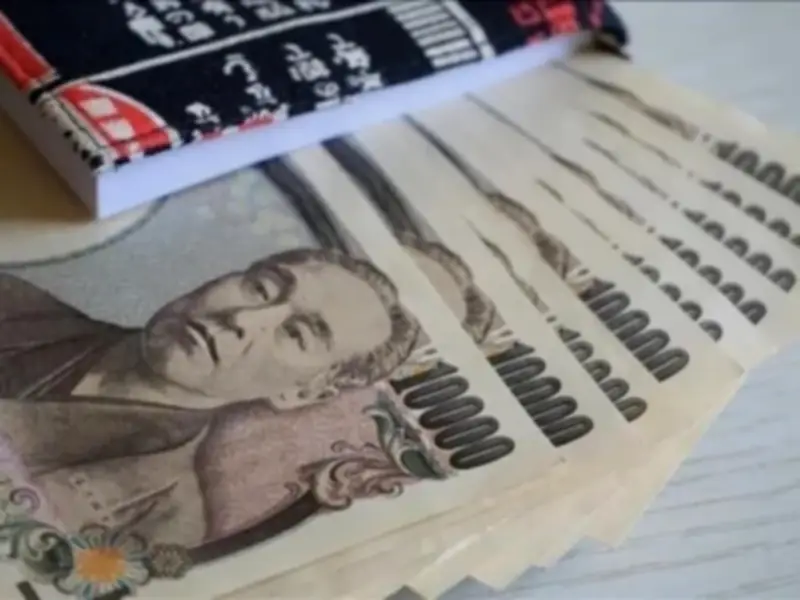
The Japanese yen on Monday weakened to a nearly 39-year low against the United States dollar, pressured by expectations that US interest rates could remain elevated, while investors remained cautious over possible intervention by Japanese authorities.
Dollar Surges Past 162 Yen
The dollar briefly rose to 162.29 yen as of 0600 GMT, the weakest level for the Japanese currency since December 1986. The yen had previously approached a key threshold of 161.96 per dollar in July 2024, a level watched closely by markets because of Japan’s past currency interventions.
Rate Gap Weighs on Yen
The latest decline came as the interest rate gap between the US and Japan continued to weigh on the yen. The Bank of Japan raised its policy rate earlier this month to 1.00% from 0.75%, its highest level in 31 years, but the gap with US rates remains wide. The Federal Reserve has signalled that another rate increase could come before year’s end, despite pressure from US President Donald Trump for lower rates.

Impact on Japan's Economy
A weaker yen increases import costs for Japan, particularly for energy and food, adding pressure on households and businesses in the resource-poor country. Japan has intervened in currency markets several times to slow the yen’s depreciation, most recently from late April into May. However, the currency has remained under selling pressure as investors focus on yield differentials and Japan’s fiscal outlook.
Fiscal Concerns and Intervention Warnings
Prime Minister Sanae Takaichi’s push for additional fiscal spending and a temporary freeze on the consumption tax for food and beverages has also drawn attention to Japan’s already high debt burden. Japanese officials have warned that they could act again if sharp currency moves continue. Finance Minister Satsuki Katayama said last week that Japan and the US had agreed to take decisive action if needed following talks with US Treasury Secretary Scott Bessent.