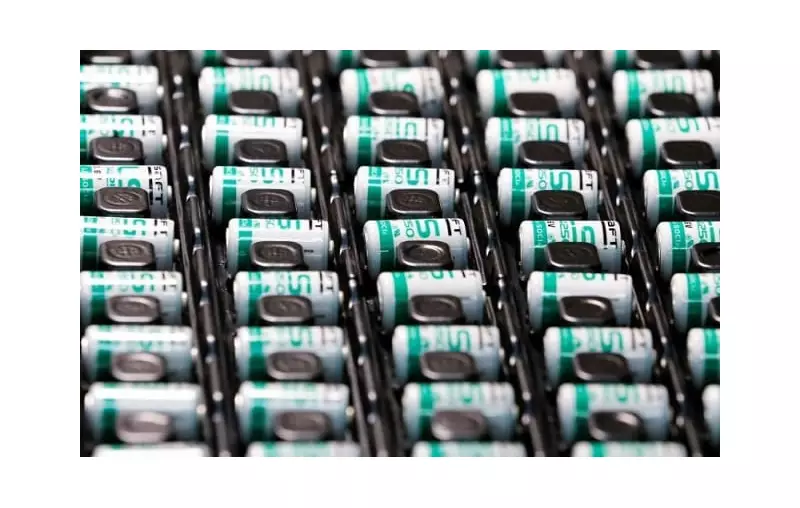
The government of Pakistan is taking a significant step towards regulating a critical component of modern technology by preparing a dedicated national policy for lithium-ion batteries. This initiative aims to address safety concerns, standardize imports, and create a conducive environment for industries reliant on this technology, such as electric vehicles (EVs) and consumer electronics.
Addressing Safety and Standardization Concerns
The primary driver behind this policy is the growing number of safety incidents linked to substandard lithium-ion batteries. Federal Minister for Science and Technology, Khalid Maqbool Siddiqui, highlighted the urgent need for regulation, pointing out that many batteries entering the market are of poor quality and pose serious fire hazards. These incidents have raised public alarm, necessitating government intervention to protect consumers and property.
The proposed policy will establish clear quality standards and testing protocols for all lithium-ion batteries imported into or manufactured within Pakistan. This move is expected to curb the influx of low-grade, dangerous products that have been linked to explosions and fires in homes and businesses. By setting these benchmarks, the government intends to ensure that only safe, reliable batteries are available to Pakistani consumers and industries.

Boosting Key Industries and Economic Sectors
Beyond safety, the policy is strategically designed to fuel growth in pivotal economic areas. A major focus is on supporting the nascent Electric Vehicle (EV) industry in Pakistan. Reliable and affordable battery technology is the backbone of EV adoption, and a structured policy will provide much-needed certainty for automakers and investors looking to enter the Pakistani market.
Furthermore, the policy will benefit the electronics and power backup sectors, which heavily depend on lithium-ion batteries for products like laptops, smartphones, and Uninterruptible Power Supplies (UPS). By ensuring a steady supply of standardized batteries, the policy will help these industries stabilize their supply chains and improve product reliability. The Ministry of Science and Technology is spearheading this effort, recognizing the technology's cross-cutting importance for national development.
Next Steps and Implementation Framework
The policy formulation is currently in the drafting stage, with relevant stakeholders being consulted. The government's approach involves creating a comprehensive legal and regulatory framework that covers the entire lifecycle of these batteries—from import and manufacturing to usage, recycling, and safe disposal. This holistic view is crucial for managing environmental impact and promoting a circular economy.
Once finalized, the policy will mandate that all lithium-ion batteries meet specific certification standards before they can be sold in Pakistan. This regulatory clarity is anticipated to not only enhance public safety but also attract serious investment into local battery assembly and, eventually, manufacturing plants. The move signals Pakistan's intent to responsibly integrate advanced energy storage solutions into its economy, paving the way for technological advancement and sustainable industrial growth.