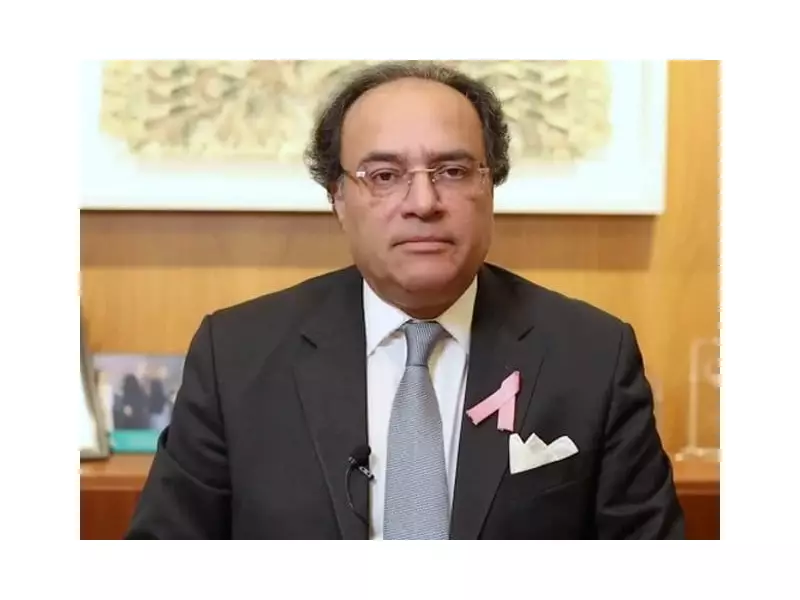
In a significant move to shape the future of its digital economy, the Government of Pakistan held a crucial consultative meeting on Friday to accelerate work on a national framework for digital assets. The session, held at the Finance Division in Islamabad, was co-chaired by Federal Minister for Finance and Revenue, Muhammad Aurangzeb, and PVARA Chairman, Bilal bin Saqib.
High-Level Collaboration for a Regulated Ecosystem
The meeting brought together a powerful coalition of national and international stakeholders. The State Bank of Pakistan (SBP) Governor joined presidents and senior executives from Pakistan's leading commercial banks. Notably, the global leadership of the cryptocurrency exchange Binance, including its Global CEO Richard Teng, also participated in the discussions, as confirmed by an official finance ministry statement.
The core agenda was to review Pakistan's strategic path toward building a secure, well-regulated, and innovation-driven digital asset ecosystem. Participants emphasized the need for robust compliance standards, greater market transparency, and the stronger involvement of regulated financial institutions in this emerging space.

Economic Opportunities and Strategic Modernization
Finance Minister Aurangzeb reiterated the government's commitment to creating a forward-looking regulatory environment. He stated that such a framework must support technological innovation while firmly safeguarding Pakistan's national economic interests. He highlighted that close coordination between government agencies, licensed global exchanges like Binance, and domestic banks is essential for three key goals:
- Modernizing the country's payments infrastructure.
- Improving financial inclusion for millions of citizens.
- Aligning Pakistan's systems with international standards.
The Binance delegation provided expert insights into global market trends and acknowledged Pakistan's rapidly expanding role in the digital asset sector. Minister Aurangzeb pointed out that the nation's fast adoption of digital assets is part of an irreversible global trend. He underscored the economic opportunity in bringing citizen-held virtual assets into formal monitoring structures, which would enhance financial visibility and support credit assessments without granting digital assets legal tender status.
Focus on Remittances, Talent, and Sovereign Innovation
The discussion identified several transformative opportunities. A major focus was on modernizing digital payments, with the potential for blockchain-based systems to significantly reduce costs associated with Pakistan's massive $38 billion annual remittance flows.
Participants also stressed the urgent need to build local talent pipelines in blockchain and Web3 technologies. This initiative aims to meet rising global demand for these skills and create high-value employment prospects for Pakistani youth.
In a forward-thinking proposal, the meeting examined the concept of sovereign debt tokenization. This innovative approach could enhance liquidity, widen investor access, and position Pakistan as a regional leader in compliant blockchain-based financial instruments.
To ground these ambitions in reality, the session outlined principles for a practical taxation and compliance framework. Key proposals included:
- Shifting primary oversight to licensed exchanges.
- Designing a gradual capital gains tax structure to promote market stability.
- Considering a time-bound amnesty to encourage users to migrate their assets onto regulated platforms.
All participants agreed on the necessity of implementing strong verification and risk-mitigation systems. This is seen as critical for ensuring the sustainability of the digital asset ecosystem and its compliance with international standards, marking a cautious yet progressive step for Pakistan's financial future.