The Historic Filing of the Computer Mouse Patent
On this very day in 1970, a groundbreaking patent application was submitted for the world's first computer mouse, an event that would permanently alter the landscape of technology and user interaction. This filing represented the culmination of years of innovative development that had commenced in the 1960s, laying the foundation for one of the most significant advancements in computing hardware history.
Early Development and Prototype Features
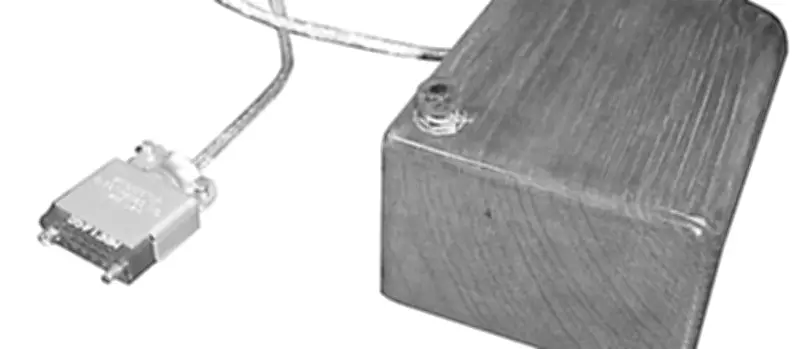
The journey toward the modern mouse began with intensive research and experimentation during the 1960s, a period characterized by rapid technological exploration. The initial prototype, which emerged from this era, was remarkably simple in design, featuring only a single button for user input. This minimalist approach was intentional, focusing on proving the core concept of direct manipulation before adding complexity.
As the technology evolved, subsequent models introduced multiple buttons, enhancing functionality and paving the way for more sophisticated interactions. This progression from a one-button device to multi-button variants demonstrated the iterative nature of technological innovation, where each improvement built upon previous successes to meet growing user demands.

Impact on Human-Computer Interaction
The introduction of the computer mouse marked one of the first practical and widely adopted inroads into the science of human-computer interaction. By providing an intuitive, physical interface between users and digital systems, it democratized access to computing power, making complex operations more accessible to non-experts. This shift was instrumental in moving computing beyond specialized, text-based environments into graphical user interfaces that dominate today.
The mouse's design principles—emphasizing ease of use, precision, and direct control—have influenced countless other input devices and interaction paradigms. Its success validated the importance of user-centered design in technology development, a lesson that continues to resonate across the industry.
Enduring Legacy in Modern Computing
To this day, the computer mouse remains a central and indispensable component of modern computer hardware, despite the advent of touchscreens, voice commands, and other alternative input methods. Its enduring relevance is a testament to the robustness of its original design and its adaptability to evolving technological contexts.
From office desktops to gaming setups and creative workstations, the mouse has maintained its role as a primary tool for navigation, selection, and control. Its evolution continues, with advancements in wireless technology, ergonomic designs, and enhanced sensitivity keeping it at the forefront of user interface technology.
The 1970 patent filing not only protected a novel invention but also symbolized a pivotal moment in the history of computing, where hardware innovation directly empowered users to interact with machines in more natural and effective ways.