Seedance 2.0: ByteDance's AI Video Model Faces Copyright Backlash Amid Hype
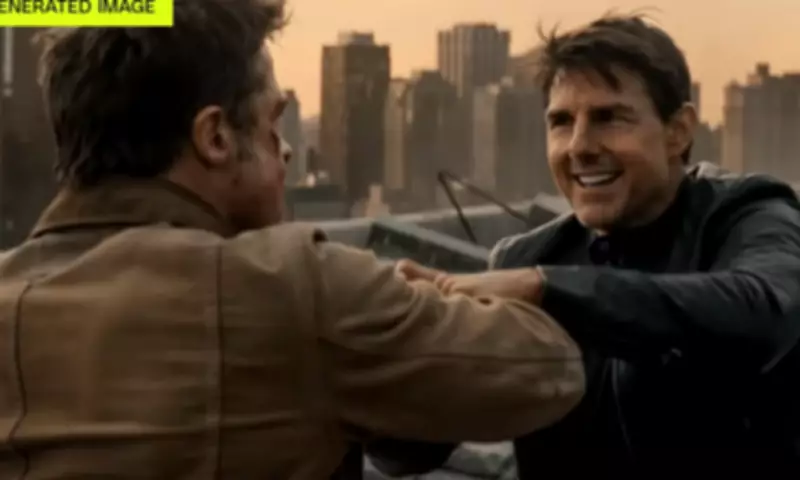
When Irish filmmaker Ruairi Robinson started sharing a series of short clips produced using Seedance 2.0, the latest video generation model from TikTok's parent company ByteDance, it became evident that the footage was significantly more advanced than outputs from other generative AI platforms. The clips featured a digital replica of Tom Cruise engaging in dynamic battles against Brad Pitt, humanoid robots, and zombies, with characters moving with a complex fluidity that almost resembled choreography, enhanced by kinetic camera movements.
Hollywood's Legal Response to AI-Generated Content
Generative AI enthusiasts often claim that the traditional entertainment industry is under threat, and Seedance's capabilities have indeed alarmed major Hollywood studios. As the faux-Cruise videos gained millions of views online, the Motion Picture Association, Disney, Paramount, and Netflix each sent cease and desist letters to ByteDance, alleging copyright infringement. In response, ByteDance stated it would "strengthen current safeguards" to prevent unauthorized use of intellectual property and likenesses by users.
However, ByteDance has not yet released an official version of Seedance that restricts users from generating content based on unlicensed material. The rollout of Seedance 2.0 has felt like a viral marketing stunt, especially given studios' clear willingness to pursue legal action against AI companies that infringe on their intellectual property.

The "Slop" Debate in AI Video Generation
While Seedance-created videos appear superior to those produced by competitors like Sora, Veo, and Runway, the model's primary achievement—creating polished ripoffs—labels it as just another "slop generator," albeit a more sophisticated one. The term "slop" in gen AI video typically refers to aesthetics and presentation, but the creation process itself is crucial. Unlike traditionally produced media, which can be poorly crafted, AI-generated content is considered slop because it emerges from workflows lacking direct authorial or artistic intent.
Gen AI video models cannot consistently follow story beats or character motivations, but they can parse simple inputs and generate outputs that seem narrative-driven, thanks to training on vast visual datasets. The ability to mimic human-made content is the core objective of projects like Seedance 2.0, but this requires ample source material for iterative programming. By permitting blatant IP infringement, ByteDance has revealed that, despite its advanced action sequences and sound design, Seedance is fundamentally similar to its peers.
Case Study: Jia Zhangke's Meta Exploration with Seedance
The viral clips featuring A-list celebrities make it easy to identify Seedance 2.0 as a slop generator, but the nuances become more complex with projects like Chinese director Jia Zhangke's Jia Zhangke's Dance. This Seedance 2.0-generated short film features Zhangke debating creativity with an AI version of himself, exploring whether AI films are enhanced copies of human works or a new art form.
Jia Zhangke's Dance exhibits a smoothness and narrative cohesion rarely found in outputs from OpenAI's Sora app. However, upon closer inspection, background characters in busier scenes reveal continuity errors common to all video generators. The film demonstrates how skilled filmmakers can create passable content by working around AI's limitations, such as editing short shots to simulate longer takes and using foreground objects to mask glitches.
The Future of AI Video and Ethical Considerations
Jia Zhangke's Dance highlights that many AI enthusiasts have not prioritized creating art that could attract theater audiences or streaming subscribers. ByteDance's engineers deserve credit for developing a model that accurately replicates human faces, but this strength may stem from improperly sourced training data, leading to legal troubles and a pause in releasing Seedance 2.0's API to the public.

For AI-generated video to shed its slop association, companies must prove their models can produce original content without stealing others' work. Studios like Asteria and companies including Adobe are addressing this with "IP-safe" models built on properly licensed data. Until high-quality, ethical work emerges from these new AI programs, the industry will continue to grapple with the slop dilemma, balancing innovation with intellectual property rights in the digital age.