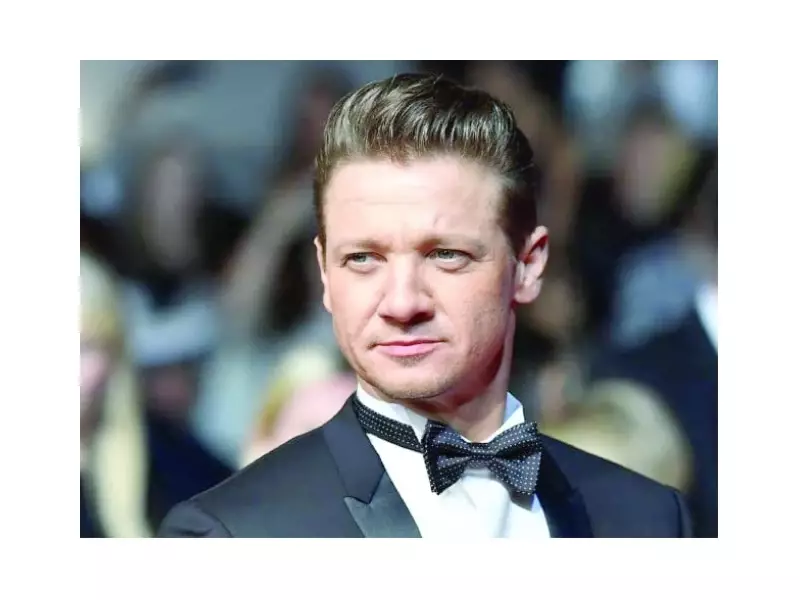
Hollywood actor Jeremy Renner, famous for his role as Hawkeye in the Marvel Cinematic Universe, has threatened to file a massive lawsuit against a mobile application for illegally using an artificial intelligence-generated version of his voice. The incident has sparked significant concerns about celebrity rights in the rapidly evolving age of AI technology.
The AI Voice Controversy Unveiled
The controversy emerged when Renner's team discovered that a mobile application had created and distributed an AI-generated replica of his distinctive voice without obtaining any form of permission or authorization. The Marvel star responded with strong legal threats, demonstrating zero tolerance for such unauthorized use of his vocal identity.
Jeremy Renner directly confronted the application through his official Instagram account, where he commands an audience of over 20 million followers. His public statement served as both a warning to the offending party and an announcement of impending legal action that could set important precedents for similar cases in the future.

Legal Implications for AI Technology
This case represents one of the most high-profile confrontations between a major Hollywood celebrity and the growing trend of unauthorized AI voice replication. The entertainment industry has been grappling with how to handle the emerging technology that can realistically mimic celebrity voices with startling accuracy.
The legal battle threatens to become a landmark case that could define how intellectual property laws apply to AI-generated content featuring celebrity attributes. Legal experts suggest that Renner's case could establish crucial boundaries for what constitutes acceptable use of AI technology in replicating human characteristics, particularly those of public figures.
This incident occurs amid growing concerns within the entertainment industry about the potential misuse of AI technology. Many actors and performers have expressed worries about AI systems being trained on their work without compensation or consent, potentially threatening their livelihoods and creative control.
Broader Impact on Entertainment Industry
The Renner case highlights the urgent need for clearer regulations surrounding AI technology and celebrity rights. As AI capabilities continue to advance, the entertainment industry faces unprecedented challenges in protecting performers' identities and ensuring fair compensation for the use of their likenesses and talents.
This legal confrontation could influence how streaming platforms and production companies approach AI technology in their future projects. Many industry professionals are watching the situation closely, as the outcome could establish important legal precedents that affect contracts, royalties, and intellectual property rights across the entertainment sector.
The timing of this controversy is particularly significant, coming during ongoing negotiations between entertainment unions and production companies about the ethical use of AI in creative projects. Renner's firm stance demonstrates that major celebrities are prepared to take aggressive legal action to protect their rights in this new technological landscape.
As the situation develops, legal experts predict that more celebrities may follow Renner's lead in confronting unauthorized AI usage, potentially leading to a wave of similar lawsuits that could shape the future relationship between artificial intelligence and celebrity rights.