Adobe Unveils Customizable AI Image Generators for Personalized Artistic Styles
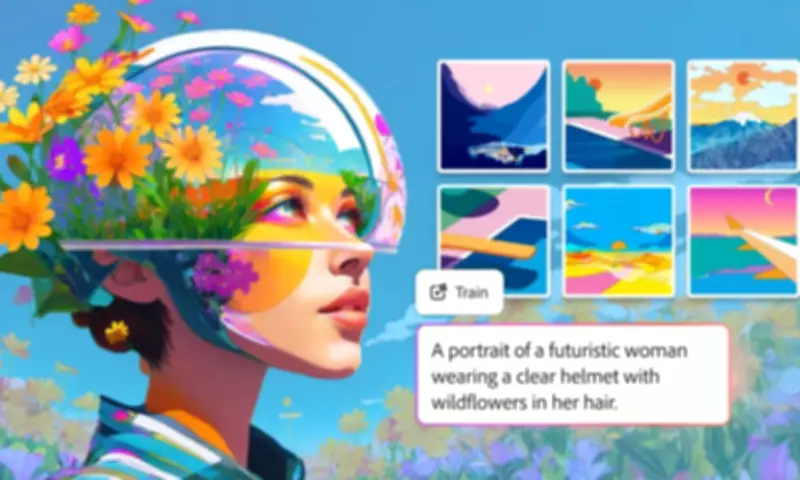
Adobe has officially launched its highly anticipated customizable AI image generators, known as Firefly Custom Models, which are now available in a public beta phase. This innovative technology empowers creators and brands to train artificial intelligence models using their own proprietary assets, ensuring that generated images adhere to a specific and consistent aesthetic for characters, illustrations, and photography.
Streamlining Creative Workflows with AI Consistency
The primary objective of Firefly Custom Models is to significantly streamline workflows for teams and individual creators who need to produce large volumes of content. By providing a reusable foundation, the tool preserves visual consistency across multiple projects, eliminating the need to start from scratch each time. Adobe emphasizes that these custom models can meticulously maintain intricate details such as stroke weight, color palettes, lighting nuances, and distinct character features across all generated images.
"To grow a brand, you need a steady stream of assets that consistently express who you are. Those assets should be yours and yours alone," Adobe stated in its official press release. "Once trained, your custom model becomes an integral part of your workflow. You can generate new ideas aligned to your aesthetic, reuse the model across various projects, briefs, and campaigns, and produce at scale without losing what makes your work distinctive."

Privacy and Ethical Considerations in AI Training
A critical feature of Adobe's custom models is their default privacy setting. Images used to train these personalized models will not be utilized to train Adobe's general Firefly models, ensuring that proprietary assets remain confidential. This approach aligns with Adobe's long-standing promotion of its Firefly models as an ethical and commercially safe alternative to rival services, which may have scraped protected works without proper authorization.
According to Adobe's help documentation, users are prompted to confirm they possess all necessary rights and permissions before training a custom model. They must also certify that their use of custom models will not infringe on the copyright, intellectual property, likeness, or privacy rights of others. Adobe spokesperson Frankie Tobin confirmed to The Verge that users must agree to a consent modal, and Adobe implements proactive measures to enforce these agreements.
"Firefly automatically checks all uploaded images for Content Authenticity Initiative credentials," Tobin explained. "If a creator has opted their content out of AI training or usage, Firefly will detect that and prevent those assets from being used."
From Private Beta to Public Accessibility
Firefly Custom Models were initially announced as a private beta at Adobe Max last year, but are now accessible to a broader audience. This expansion allows more creators to leverage AI for maintaining brand identity and artistic integrity. The tool is designed to support high-volume content production while safeguarding the unique elements that define a creator's or brand's visual language.
As artificial intelligence continues to evolve, Adobe's latest offering represents a significant step toward personalized and responsible AI integration in the creative industries, balancing innovation with ethical standards and user control.