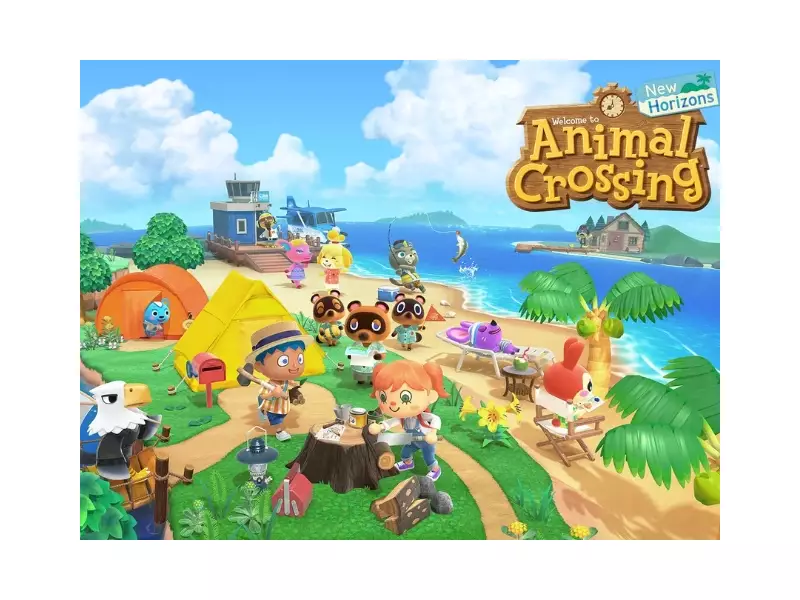
In a decisive move that has sent ripples through its dedicated fan community, Nintendo has permanently shut down a long-running, adult-themed island within its beloved life-simulation game, Animal Crossing: New Horizons. The island, known for its mature content and operated by a user named Chris, had been a fixture in the game's online landscape for an impressive five years before its recent termination.
The End of an Unconventional Era
The shutdown was not a sudden event but the culmination of a series of warnings. According to reports, Nintendo issued multiple warnings to the island's creator regarding violations of the game's terms of service. The core issue centered on the island's explicit nature, which starkly contrasted with the family-friendly, whimsical ethos that Nintendo meticulously cultivates for its flagship titles.
Chris, the island's operator, shared details of the closure on social media platform X (formerly Twitter). He revealed that the island's Dream Address—a code that allows other players to visit a saved version of an island—was officially deactivated by Nintendo. This action effectively erased the island from the game's shared online dream world, making it inaccessible to the millions of Animal Crossing players worldwide.

Content That Crossed the Line
So, what exactly was on this island that prompted such a firm response from the gaming giant? The island was famously designed with adult-oriented themes and content. This included custom designs and layouts that were sexually suggestive, a clear departure from the game's intended aesthetic of fishing, fossil hunting, and decorating with cute furniture. For half a decade, this space existed as a niche, player-created corner of the game's vast universe, pushing the boundaries of what the community thought possible within Nintendo's controlled ecosystem.
Nintendo's terms of service for its online platforms, including the Nintendo Network used by Animal Crossing, explicitly prohibit content that is offensive, obscene, or otherwise objectionable. The company has consistently enforced these rules to maintain a safe environment, particularly as the game enjoys immense popularity among younger audiences. The five-year operation of the island was seen by some as surprising, but Nintendo's eventual action reaffirms its strict policy stance.
Community Reaction and the Precedent Set
The closure has sparked a mixed reaction within the Animal Crossing community. Some players support Nintendo's decision, emphasizing the need to keep the game's shared spaces appropriate for all ages. Others, however, express a sense of loss for a unique, long-standing piece of player-generated content, viewing it as an example of creative expression, albeit an unconventional one.
This event serves as a powerful reminder to the global gaming community, including players in Pakistan who are part of this worldwide phenomenon, about the limits of user-generated content in corporate-owned digital spaces. It highlights the ongoing tension between player creativity and platform holder control. While games like Animal Crossing: New Horizons offer incredible tools for customization and sharing, the ultimate authority over what is permissible rests with the company that owns the servers and the intellectual property.
The shutdown of Chris's island establishes a clear precedent. It signals that even content that has existed for a considerable time is not immune to enforcement if it is found to violate the established rules. For content creators and avid players, the message is to carefully review and adhere to the terms of service, as longevity is no guarantee of permanent safety.
Ultimately, the story of this five-year-old island is a significant chapter in the history of Animal Crossing: New Horizons. It underscores Nintendo's unwavering commitment to its brand image and its willingness to take action to protect it, even years after a game's peak popularity. As the gaming landscape continues to evolve, this incident will likely be referenced in discussions about moderation, creativity, and the enduring reach of platform guidelines.