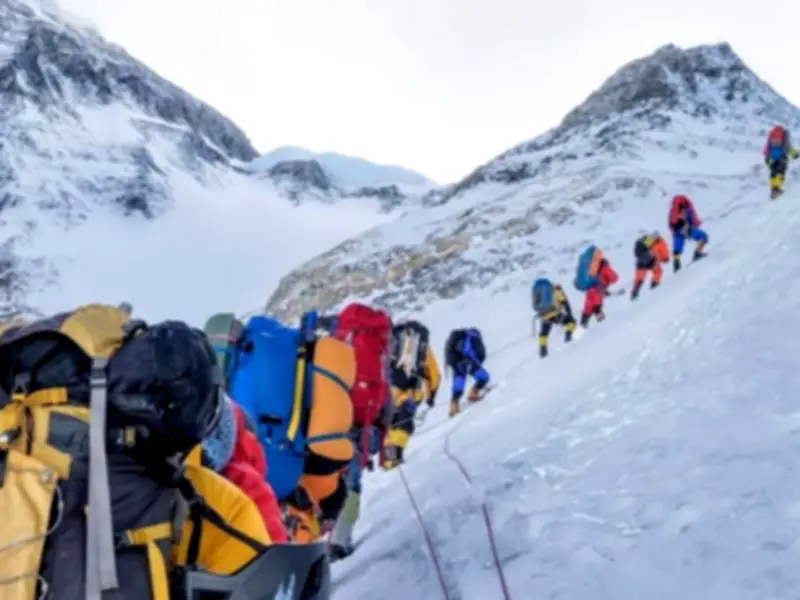
Nepal's tourism department has announced that a record number of climbers successfully scaled Mount Everest during the current spring season. According to officials, the total number of summiteers has surpassed all previous records, marking a historic milestone for the world's highest peak.
As of the latest count, over 600 climbers have reached the summit from the Nepali side, with the season still ongoing. This figure includes both foreign and Nepali climbers, with the majority of ascents occurring in the favorable weather window in May.
Reasons Behind the Surge
Several factors contributed to the unprecedented number of summits. Improved weather conditions, better logistics, and increased experience among expedition operators have made the climb more accessible. Additionally, the number of permits issued by Nepal's government reached a new high, reflecting the growing global interest in mountaineering.

Nepal issued 478 climbing permits for Everest this season, each costing $11,000. With each permit typically accompanied by a support team of Sherpas and guides, the total number of people on the mountain exceeded 1,500 at peak times.
Safety Concerns
Despite the record numbers, officials have emphasized safety measures. The spring season saw fewer fatalities than in previous years, with five deaths reported so far. However, overcrowding on the mountain remains a concern, with climbers waiting in long queues near the summit, especially in the 'death zone' above 8,000 meters.
Nepal's tourism director, Yubaraj Khatiwada, stated that the government is monitoring the situation closely and considering measures to manage the flow of climbers, including potential limits on permits in future seasons.
Economic Impact
The record season is a boon for Nepal's economy, as mountaineering is a significant source of revenue. The government earned over $5 million in permit fees alone, with additional income from logistics, equipment, and tourism services.
Local communities in the Khumbu region have also benefited, with increased demand for lodging, porters, and supplies. However, environmentalists have raised concerns about the growing human footprint on the mountain, including waste and pollution.
Future Outlook
As interest in Everest continues to rise, authorities are exploring sustainable solutions. Discussions include stricter regulations, mandatory use of GPS trackers, and enhanced waste management systems. The record this season underscores the enduring allure of Everest but also highlights the need for careful stewardship of the world's highest peak.