The Hyderabad Flour Mills Owners Social Welfare Association has raised a serious alarm over potential contamination in government-held wheat stocks. The association has urgently called on the Sindh government to conduct comprehensive laboratory testing before distributing the wheat to mills across the province.
Formal Complaint Lodged with Sindh Authorities
Association General Secretary Haji Najmuddin Chauhan has formally written to the Sindh food secretary, highlighting the grave concerns. Copies of the letter have been widely circulated to top provincial officials, including the Governor, Chief Minister, Provincial Food Minister, Chief Secretary, Divisional Commissioner, Deputy Commissioner, Deputy Director Food, and the District Food Controller in Hyderabad.
Allegations of Widespread Adulteration
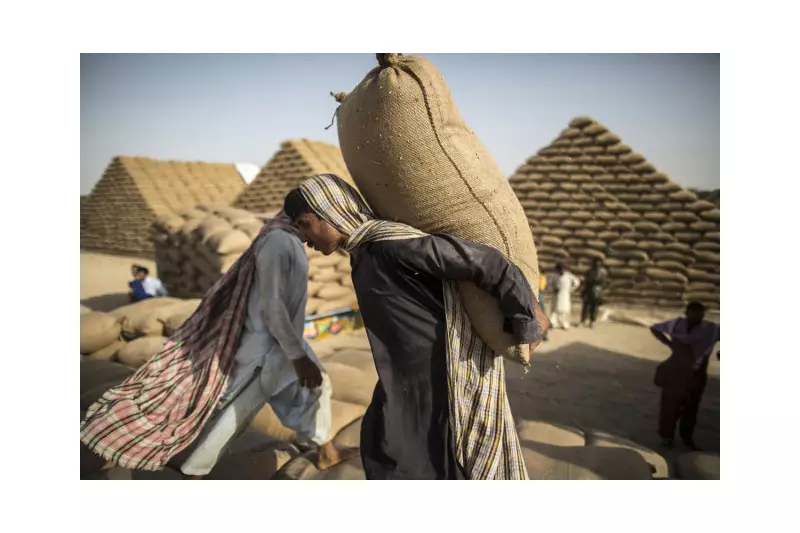
The letter points to recurring media reports that allege shocking malpractice. According to these reports, wheat stored in government warehouses located in Hyderabad, Bhulari, and other parts of Sindh has been deliberately mixed with foreign substances. These substances reportedly include soil, debris, stones, and powder.

More disturbingly, the association suggests this adulteration has occurred with the alleged connivance of officials and staff within the food department itself. This has sparked fears about the safety and quality of the staple grain destined for public consumption.
Demand for Accredited Testing and Transparency
To safeguard public health, the flour mill owners have put forth clear demands. They insist that the quality of wheat in all government warehouses across Sindh must be verified by an accredited laboratory. Furthermore, they demand that the resulting quality certificates be shared with flour mill and roller mill owners prior to any distribution.
The association emphasizes that this step is not merely procedural but a necessary measure to ensure the flour supplied to the public meets basic health and hygiene standards. Without such verification, the risk of distributing contaminated wheat, which could lead to serious health implications for consumers, remains unacceptably high.
The ball is now in the court of the Sindh government and its food department to address these allegations transparently and take immediate action to restore confidence in the food supply chain.