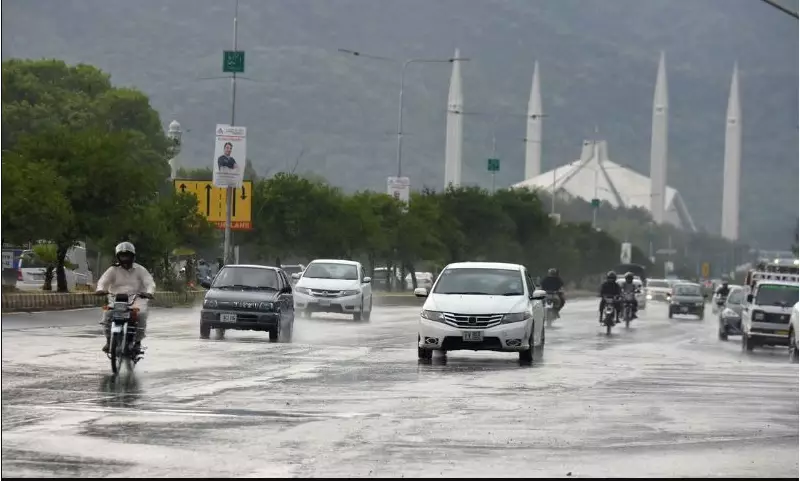
A fresh and potent spell of wintry weather has gripped significant parts of the country, intensifying the cold wave and disrupting normal life. The Pakistan Meteorological Department (PMD) has reported widespread rain and snowfall across Islamabad, various districts of Punjab, and the northern mountainous regions.
Widespread Precipitation and Plummeting Temperatures
According to the detailed forecast from the Met Office, the current weather system is active and bringing substantial precipitation. Islamabad and Rawalpindi experienced rain, which has significantly increased the chill in the air. In Punjab, the affected areas include Gujranwala, Gujrat, Sialkot, Narowal, Lahore, and Sheikhupura, where residents are facing a cold and damp environment.
The situation is more severe in the northern areas, where heavy snowfall has been recorded. This includes the picturesque but now heavily snowbound regions of Murree, Galiyat, Nathiagali, Kaghan, Naran, and Swat. The snowfall has transformed these areas into winter wonderlands but has also led to treacherous road conditions and a sharp drop in temperatures.

Official Forecast and Expected Continuation
The PMD has clearly stated that this harsh weather pattern is expected to persist. The forecast indicates that rain, wind, and thunderstorms are likely to continue in the plains, while the hilly regions will see more snow. This ongoing activity means the intense cold wave will not relent in the coming days, posing challenges for the public, especially those without adequate heating or shelter.
Meteorologists attribute this intense cold spell to the prevailing western disturbance affecting the region. This system is pulling in cold air and causing the widespread precipitation that is synonymous with a typical Pakistani winter peak.
Impacts on Daily Life and Travel Advisories
The immediate consequences of this weather are multifaceted. In urban centers like Islamabad and Lahore, the rain has led to:
- Reduced visibility and slick roads, increasing the risk of traffic accidents.
- A palpable increase in the bitter cold, affecting the homeless and outdoor workers most severely.
- Potential disruptions to daily routines and market activities.
In the northern areas, the impacts are more pronounced:
- Major highways and link roads, particularly in Murree and Galiyat, are at high risk of blockage due to snow accumulation and avalanches.
- Travel to these tourist hotspots has become hazardous, and tourists are advised to exercise extreme caution or postpone non-essential trips.
- Local communities may face temporary isolation and challenges in mobility and supply chains.
The authorities typically issue advisories during such spells, urging citizens to take necessary precautions. This includes using warm clothing, ensuring proper heating at home (with ventilation to avoid gas leaks), and avoiding unnecessary travel, especially to the northern areas where conditions can deteriorate rapidly. Drivers are advised to use snow chains and check road status before embarking on journeys to hilly regions.
This intense weather event underscores the powerful seasonal shifts in the region and highlights the importance of heeding official forecasts to ensure public safety and minimize discomfort during the peak of the winter season.