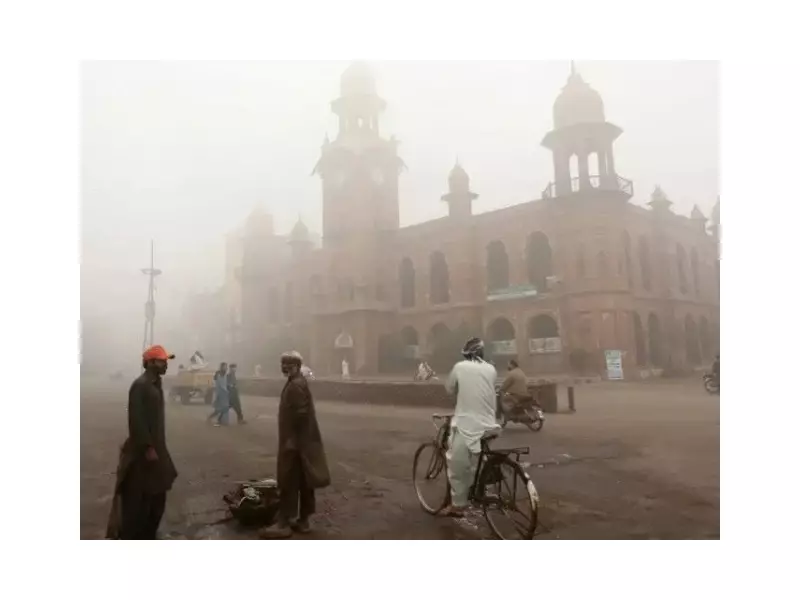
In a significant and welcome shift, Lahore has finally dropped off the notorious list of the world's most polluted cities. This dramatic improvement in air quality comes on the heels of widespread rainfall that swept across the region, offering a much-needed respite to the city's residents who have been battling a persistent and hazardous smog blanket.
A Breath of Fresh Air After the Rain
The transformation was recorded on Monday, following a spell of rain that effectively washed away a significant portion of the pollutants suspended in the atmosphere. According to data from IQAir, a global air quality monitoring service, Lahore's Air Quality Index (AQI) plummeted to a reading of 138. This starkly contrasts with the extreme pollution levels the city has endured for weeks, where AQI readings frequently soared above 400, placing it consistently at the top of the daily most polluted cities rankings.
On this particular day, the top of that dubious list was occupied by Delhi, India, with an AQI of 192, followed by Kathmandu, Nepal, at 183. Lahore's descent from the pinnacle of pollution charts marks a critical moment in the ongoing winter smog crisis that plagues urban centers across Pakistan and northern India.

Understanding the AQI Shift and Health Implications
The AQI is a standardized tool used to communicate how polluted the air currently is and what associated health effects might be a concern. An AQI of 138, while still categorized as 'unhealthy for sensitive groups', represents a monumental leap from the 'hazardous' and 'very unhealthy' levels Lahore was experiencing. Sensitive groups include individuals with respiratory or heart conditions, the elderly, and children, who are advised to reduce prolonged or heavy outdoor exertion even at this improved level.
For the general public, the shift means the air quality is considered moderately polluted. While some health effects may be experienced by a small number of unusually sensitive individuals, the majority of the population can breathe easier, literally and figuratively. This temporary relief highlights the direct impact meteorological conditions, particularly rainfall, have on the region's severe air pollution, which is primarily driven by vehicle emissions, industrial activity, and agricultural burning.
A Temporary Respite or a Lasting Change?
While the rainfall has provided immediate cleansing, environmental experts and city officials caution that this improvement is likely temporary. The core structural and seasonal factors contributing to Lahore's smog crisis remain unaddressed. The winter months, with their characteristic temperature inversions and low wind speeds, trap pollutants close to the ground, creating the perfect conditions for smog to form and persist.
The current situation underscores the urgent need for sustainable, long-term policies to combat air pollution. These include stricter emissions controls for industries and vehicles, effective management of crop residue burning, and the promotion of public transportation and green energy. Without such measures, the city risks returning to the top of the most polluted list as soon as dry weather patterns reestablish.
For now, the citizens of Lahore are enjoying clearer skies and cleaner air. The visible change serves as a powerful reminder of what the city's environment could be and strengthens the public demand for concerted action to ensure that clean air days become the norm, not just a rare gift following the rain.