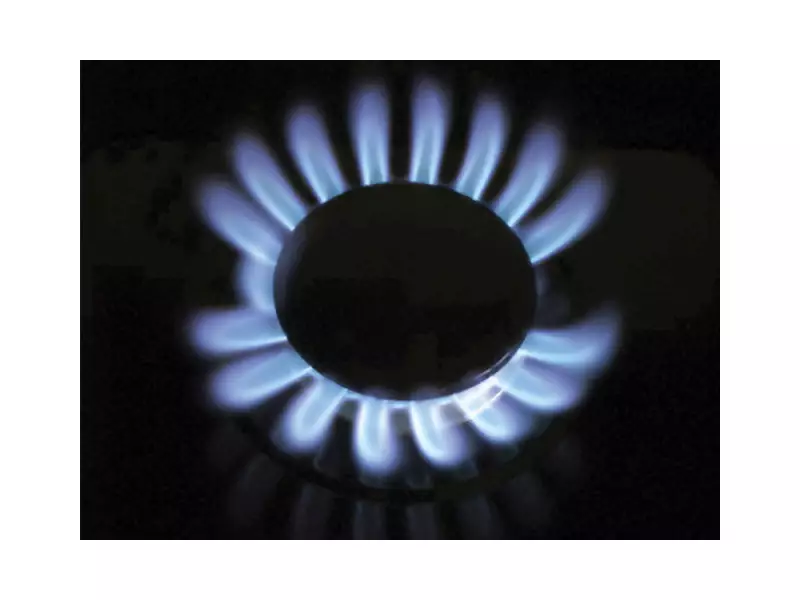
Residents of Karachi are grappling with a harsh dual challenge as an intense cold wave sweeps across the city, coinciding with a severe and persistent shortage of natural gas. This combination has created widespread disruption, affecting millions in their homes and bringing numerous commercial activities to a standstill.
Frigid Temperatures Meet Empty Pipelines
The metropolis has been experiencing unusually low temperatures, with the mercury dropping significantly. This cold snap has drastically increased the demand for gas, primarily used for heating and cooking in households. However, the supply from Sui Southern Gas Company (SSGC) has failed to keep pace, leading to prolonged and frequent outages.
Consumers across various districts, including North Nazimabad, Gulshan-e-Iqbal, and Korangi, have reported near-total absence of gas pressure during critical morning and evening hours. The crisis is most acute between 6:00 AM to 10:00 AM and again from 6:00 PM to 11:00 PM, precisely when families need it most for preparing meals and warming their homes.

Official Stance and Public Outcry
Officials from SSGC have attributed the shortage to a systemic issue: a massive gap between supply and demand. The company has stated it is receiving a limited quantity of gas from its sources, which is insufficient to meet the spiking consumption driven by the cold weather. While they have issued statements urging consumers to use gas judiciously, the public's frustration is boiling over.
Citizens have taken to social media and staged small protests to voice their anger. The common complaint is the lack of a reliable schedule for gas supply, making daily planning impossible. "We cannot cook food, we cannot heat water for baths, and the cold is unbearable," lamented one resident from Federal B Area, capturing the sentiment of many.
Economic and Social Fallout
The impact extends far beyond domestic inconvenience. The gas crisis is delivering a heavy blow to the city's economy:
- Restaurants and eateries are struggling to operate, with many forced to shorten hours or rely on expensive alternatives like liquefied petroleum gas (LPG) cylinders, which cuts deeply into their profits.
- Small-scale industries and workshops that depend on gas for production have seen their operations severely hampered, leading to financial losses and delays.
- The tandoor (bread-making) businesses, a staple for daily nutrition, are facing existential threats as they cannot fire their ovens consistently.
This situation has forced a large segment of the population to turn to electric heaters and induction cooktops, inadvertently putting a strain on the already challenged power distribution system and leading to higher electricity bills.
The confluence of cold weather and gas shortage has exposed the vulnerabilities in the city's essential service infrastructure. It highlights a critical need for better resource management, investment in infrastructure, and more transparent communication from utility providers. For now, Karachiites are left to brace the chill with little relief in sight, hoping for a swift resolution to this debilitating double whammy.