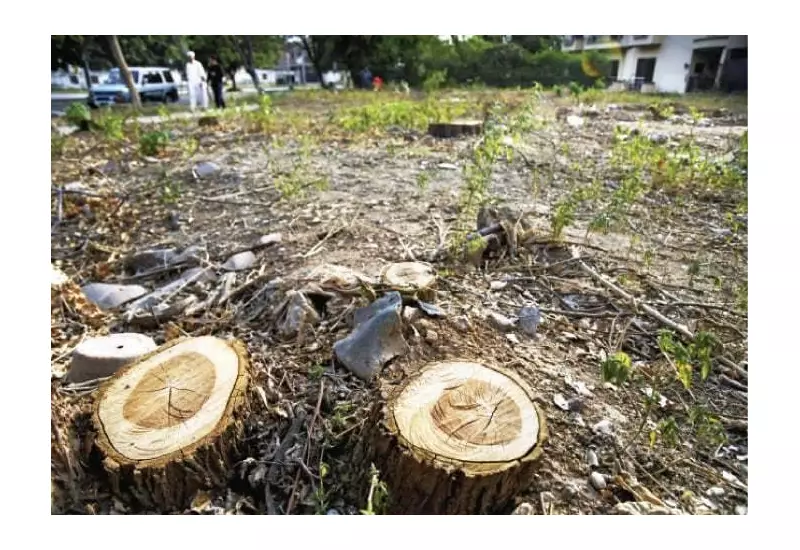
In a significant move for environmental conservation, the Islamabad High Court (IHC) has stepped in to protect the capital's greenery. The court has issued a restraining order against the Capital Development Authority (CDA), effectively halting its operations to cut down trees across Islamabad.
Court Order Halts CDA's Axe
The IHC's intervention came in response to growing concerns and legal challenges against the CDA's actions. The court, upon hearing the arguments, found it necessary to impose an immediate restraint. This legal order prohibits the CDA from proceeding with any tree-cutting activities until further notice from the judiciary.
The restraining order was issued on Wednesday, January 15, 2026, marking a pivotal day for environmental activists and residents who have been campaigning to save the city's trees. The court's decision underscores the legal system's role in upholding environmental protection laws and ensuring that development does not come at the irreversible cost of ecological degradation.

Background and Public Outcry
The CDA's recent drive to cut trees had sparked widespread public outcry and protests from citizens, environmental groups, and civil society. Residents of Islamabad have long prided themselves on the city's status as one of the greenest capitals in the region, and the sight of mature trees being felled for various development and infrastructure projects caused considerable alarm.
Critics argued that the tree cutting was being done without a comprehensive environmental impact assessment and lacked transparency. There were also concerns about whether the CDA was following its own regulations and master plan for the city, which emphasizes the preservation of green spaces and tree cover as a fundamental aspect of Islamabad's original design.
Implications and the Path Forward
The IHC's restraining order has several immediate and long-term implications. Firstly, it provides a temporary reprieve for the trees that were slated for removal. Secondly, it forces the CDA to legally justify its actions and plans before the court. The authority will now have to present its case, including the reasons for the tree cutting, the projects necessitating it, and the mitigation measures planned, such as compensatory plantation.
This case highlights the ongoing tension between urban development and environmental sustainability in Pakistan's rapidly growing capital. It sets a precedent for how similar conflicts might be resolved in the future, placing the onus on development authorities to prove that their actions are lawful, necessary, and minimally damaging to the environment.
Environmental lawyers and activists see this as a victory for climate justice and citizen advocacy. The court's willingness to issue a restraining order indicates that environmental concerns are being taken seriously at the highest judicial levels. The next steps will involve detailed court proceedings where both sides will present evidence and arguments. The final verdict could mandate stricter environmental safeguards, require a new approach to urban planning, or order a massive tree plantation drive as compensation.
For now, the trees of Islamabad stand protected by the court's order, offering hope that the city's cherished green character can be preserved for future generations.