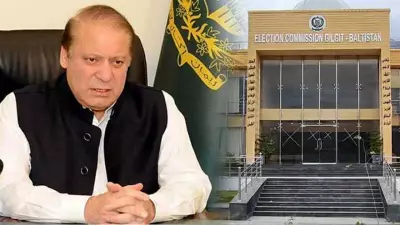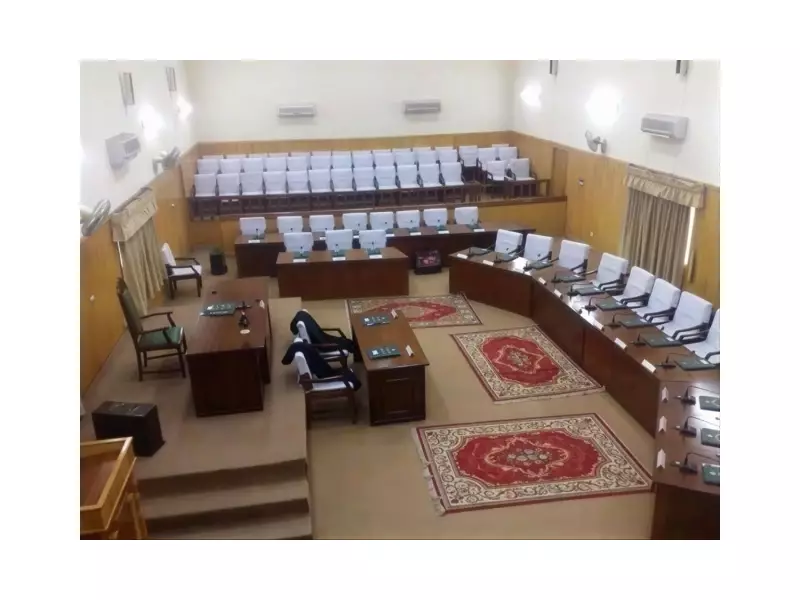
After a prolonged delay of over five weeks, a caretaker cabinet has finally been sworn in to govern the northern region of Gilgit-Baltistan. This crucial step paves the way for the administrative machinery to function until the next general elections are held in the territory.
Oath-Taking Ceremony and Key Appointments
The swearing-in ceremony took place at the Governor House in Gilgit, where Governor Syed Mehdi Shah administered the oath of office to the newly appointed ministers and advisers. The interim setup is led by Caretaker Chief Minister Muhammad Khurshid Khan, a retired bureaucrat who assumed his role last month.
The newly formed cabinet comprises a mix of eleven members, including both ministers and advisers with specific portfolios. Among the notable appointments is Captain (Retd) Shuja Khan, who has been given the vital portfolio of Home, Prisons, and Information. The finance portfolio, critical for day-to-day governance, has been entrusted to Raja Nasir Ali Khan.

Other key figures in the interim cabinet include Syed Ahmed Hussain Shah for Works and Communication, and Zafar Iqbal for Law and Education. The cabinet also features advisers such as Amjad Hussain for Power and Food, and Gulbar Khan for Local Government and Forests.
Addressing the Delay and Outlining Priorities
The formation of the cabinet comes after a significant hiatus following the dissolution of the previous assembly. This delay had raised concerns about a potential administrative vacuum in the region. In his address after the ceremony, Caretaker CM Muhammad Khurshid Khan acknowledged the wait and emphasized his team's commitment to transparent and impartial governance.
The primary constitutional duty of this caretaker setup is to ensure free, fair, and transparent elections. The chief minister stressed that his administration would create a level playing field for all political parties and candidates. Beyond election oversight, the cabinet is also expected to address ongoing public welfare projects and ensure the continuity of essential government services.
He further outlined that the cabinet's focus would remain on public service, steering clear of any partisan politics. The interim government aims to facilitate the Election Commission of Pakistan in conducting the upcoming polls smoothly and without any undue influence.
Implications and the Road Ahead
The installation of the full cabinet is a significant development for Gilgit-Baltistan's political and administrative stability. With key portfolios now assigned, the interim government can begin addressing pressing administrative matters and preparing the ground for the electoral process.
The formation of this cabinet effectively ends a period of uncertainty that began with the dissolution of the previous assembly. All eyes will now be on the Election Commission to announce the schedule for the next general elections in Gilgit-Baltistan, as the caretaker government assumes its role as an impartial umpire for the democratic process.
The success of this interim arrangement will be measured by its ability to maintain law and order, manage day-to-day affairs without bias, and ultimately ensure that the people of Gilgit-Baltistan can choose their next government in a peaceful and credible manner.