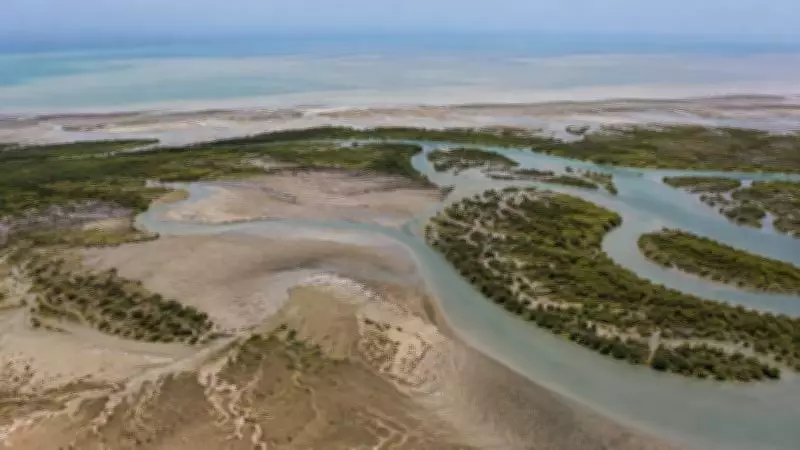
Indus Delta: A Vanishing Ecosystem
The Indus Delta, once a vibrant and expansive ecosystem, is rapidly disappearing. Reduced freshwater flow and increasing sea intrusion are turning fertile lands into barren wastelands, threatening the livelihoods of millions and the biodiversity that depends on this unique habitat.
Root Causes of the Crisis
Experts point to several factors behind the delta's decline. Upstream dams and barrages have drastically cut the river's flow, while climate change exacerbates sea-level rise and saltwater intrusion. Agricultural runoff and pollution further degrade water quality, making the delta less resilient.
Key issues include:

- Reduced freshwater discharge from the Indus River
- Sea intrusion advancing inland by up to 20 kilometers
- Loss of mangrove forests, which act as natural barriers
- Decline in fish stocks and biodiversity
- Displacement of local communities
Impact on Communities and Economy
The delta supports over 2 million people, mostly dependent on fishing and agriculture. As the delta shrinks, fish catches have plummeted, and farmland has become saline, forcing families to migrate to cities. The economic losses are estimated in billions of rupees annually.
Environmental Consequences
Mangrove forests, which provide critical habitat for wildlife and protect against storms, have declined by over 60% since the 1970s. Species such as the Indus dolphin and various migratory birds are at risk. The loss of mangroves also accelerates coastal erosion.
Urgent Need for Action
Environmentalists and policymakers call for immediate measures to restore the delta. Proposed solutions include releasing environmental flows from dams, promoting sustainable agriculture, and restoring mangrove forests. Without decisive action, the Indus Delta may vanish within decades, with devastating consequences for Pakistan's environment and economy.
This article is based on reports from environmental experts and recent studies on the Indus Delta.