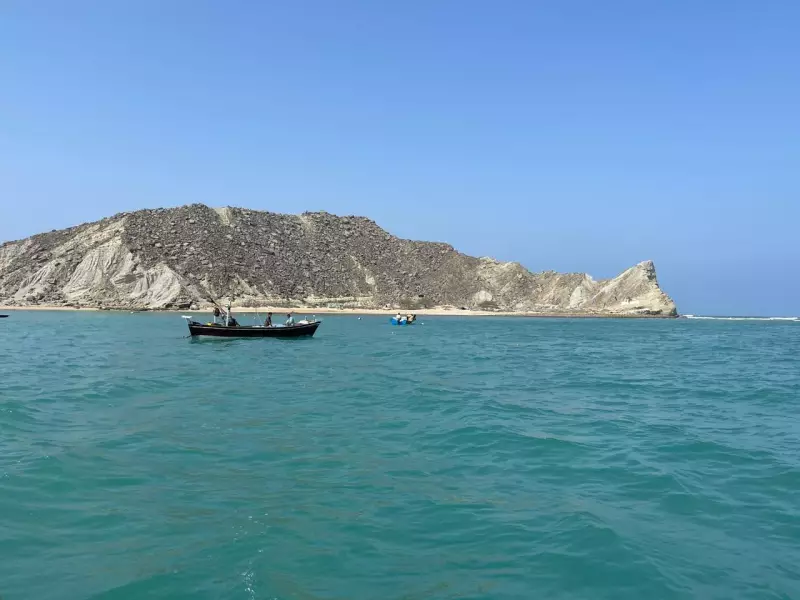
As the global community marked World Fisheries Day on November 21, a starkly different reality unfolded along the coastline of Balochistan. The province's once-thriving fishing industry, a cornerstone of local livelihood and economy, is grappling with a severe and sustained decline in fish catch. Fishermen, who have depended on the Arabian Sea for generations, now face an uncertain future as their nets return emptier with each passing season.
The Alarming Decline in Catches
The scale of the problem is both dramatic and deeply concerning. According to data from the Fisheries Department, Balochistan's total fish catch has plummeted from approximately 200,000 metric tons in 2012 to a mere 80,000 metric tons in recent years. This represents a catastrophic drop of more than half in just over a decade. The situation is particularly acute for small-scale fishermen operating from key ports like Gwadar, Pasni, and Jiwani. Where they once hauled in bountiful catches, many now struggle to cover even the basic costs of fuel and boat maintenance.
"Our fathers and grandfathers caught enough to feed families and build communities," shares a veteran fisherman from Gwadar, whose identity reflects the voice of many. "Now, we go far out to sea, spend more on diesel, and catch almost nothing. The sea has become barren." This sentiment echoes across the coastal villages, where the economic strain is visibly transforming communities built around the fishing trade.

Root Causes of the Marine Crisis
Experts and local stakeholders point to a confluence of destructive factors driving this ecological and economic disaster. The primary culprit is rampant, unregulated overfishing by deep-sea trawlers, including both licensed and illegal vessels. These large boats use fine mesh nets that sweep up everything in their path, including juvenile fish that have not had a chance to reproduce, effectively destroying the future of fish stocks.
Compounding the problem is severe marine pollution. Industrial waste, plastic debris, and toxic runoff are poisoning the coastal waters. Furthermore, the large-scale infrastructure projects, such as those associated with the Gwadar Port development, have led to habitat destruction. Dredging and land reclamation activities are destroying critical breeding grounds like mangroves and coral reefs, which serve as nurseries for countless marine species.
Climate change adds another layer of threat, altering water temperatures and ocean currents, which disrupts the natural migration and breeding patterns of fish. The cumulative impact of these issues has pushed Balochistan's marine ecosystem to a dangerous tipping point.
Consequences and a Call for Sustainable Action
The vanishing catch has dire consequences beyond empty nets. It threatens food security for coastal populations and the national supply of protein. Economically, it is pushing thousands of fishermen and related workers into poverty, fueling social unrest and disillusionment. The cultural heritage of centuries-old fishing communities is also at risk of being lost.
On this World Fisheries Day, the call from Balochistan is clear: immediate and enforceable action is required. This includes:
- Strict enforcement of bans on illegal trawling and destructive fishing practices.
- Promoting and investing in sustainable aquaculture and fish farming to reduce pressure on wild stocks.
- Launching large-scale mangrove restoration projects and marine protected areas to rebuild habitats.
- Implementing effective waste management systems to curb land-based pollution flowing into the sea.
The future of Balochistan's coast and its people is inextricably linked to the health of the sea. Without a concerted effort to transition to sustainable practices and heal the marine environment, the story of Balochistan's fisheries will be one of irreversible loss, marking future World Fisheries Days as reminders of what was, rather than celebrations of what is.