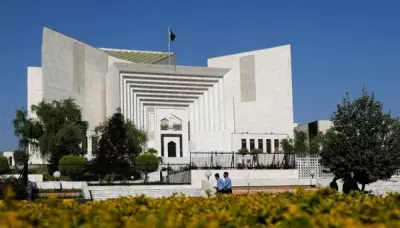
Pakistan's upper house of parliament, the Senate, finds itself embroiled in a fresh controversy following remarks made by its Deputy Chairman, Syedal Khan Nasar. The incident, which occurred during a session, has drawn sharp criticism and raised questions about the maintenance of decorum within the legislative body.
The Incident That Sparked the Row
During a recent Senate session, Deputy Chairman Syedal Khan Nasar made comments directed at Senator Bahramand Khan Tangi. The remarks, perceived by many as inappropriate and personal, centered on the senator's conduct and participation in the proceedings. While the exact wording from the official record is nuanced, the implication and tone of the Deputy Chairman's interjection have become the focal point of the dispute.
The crux of the controversy lies in the perceived breach of impartiality expected from the chair. As the presiding officer, the Deputy Chairman is entrusted with ensuring fair and orderly debate, a role that demands neutrality. Critics argue that his comments crossed a line, transforming from a procedural moderator into a participant in the exchange.

Reactions and Backlash
The reaction from political circles was swift. Senator Tangi and his allies expressed strong disapproval, labeling the remarks as unbecoming of the high office of the Deputy Chairman. The incident has fueled discussions beyond the chamber, with political analysts and media outlets dissecting the event.
This episode is not occurring in a vacuum. It adds to a series of contentious moments that have characterized the proceedings of the current Senate. Observers note that such incidents contribute to a growing perception of heightened political tensions and a decline in traditional parliamentary etiquette. The controversy puts a spotlight on the challenges of managing a diverse and often divided house.
The timing is also significant, as it comes at a period of intense political scrutiny in Pakistan. Every action and word within parliament is magnified, seen through the lens of broader political rivalries. The Deputy Chairman's remarks have thus been interpreted by some as a reflection of these deeper undercurrents.
Implications for Parliamentary Conduct
Beyond the immediate political fallout, the controversy raises fundamental questions about parliamentary norms. The role of the chair is sacrosanct in Westminster-style democracies, which Pakistan's system is modeled upon. The chair's authority relies on respect from all members, which in turn is built on demonstrated impartiality.
When this impartiality is questioned, as in the current case, it can undermine the smooth functioning of the legislature. It sets a precedent that could lead to more frequent challenges to the chair's rulings and a general breakdown in decorum. This incident serves as a case study in the importance of restraint and protocol in parliamentary governance.
Moving forward, the onus may be on the Senate's leadership to address the concerns raised. This could involve internal discussions, reaffirmation of rules, or even a formal clarification from the Deputy Chairman's office. How the institution handles this internal dispute will be closely watched as a measure of its resilience and commitment to its own standards.
In conclusion, the remarks by Senate Deputy Chairman Syedal Khan Nasar have ignited a debate that transcends a mere verbal spat. It touches upon the core principles of parliamentary democracy, the responsibilities of presiding officers, and the current state of political discourse in Pakistan. The resolution of this controversy will likely have lasting implications for the conduct of business in the Senate.