Ceasefire Leaves Nuclear Question Unresolved
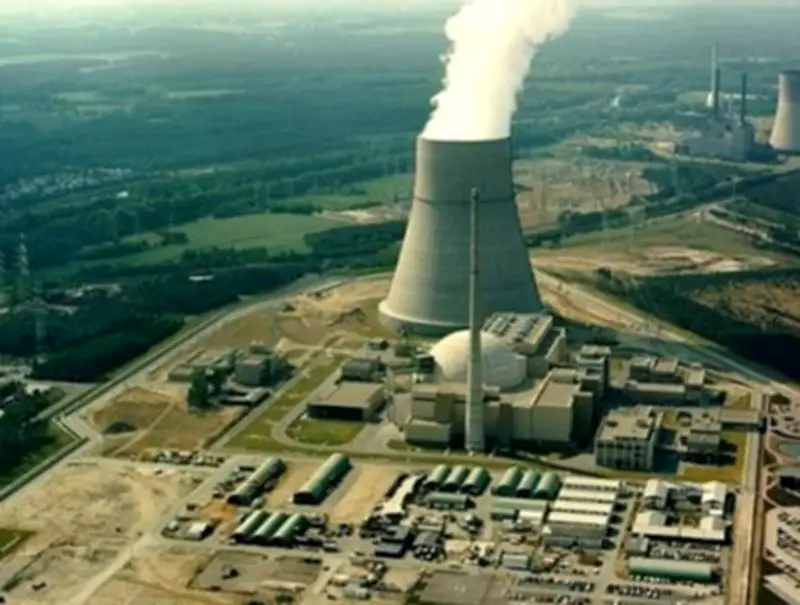
Five months after Israeli and American strikes killed Iran's Supreme Leader Ayatollah Ali Khamenei and sparked the widest Middle East war in decades, Tehran and Washington are still arguing over what remains of Iran's nuclear program. A memorandum signed in June extended the ceasefire, reopened the Strait of Hormuz, and promised technical talks on Iran's enriched uranium stockpile. However, it did not settle the question that matters most: whether Iran, having survived a war meant to strip it of the option, will eventually cross the nuclear threshold anyway.
Pakistan's Mediating Role and Strategic Debate
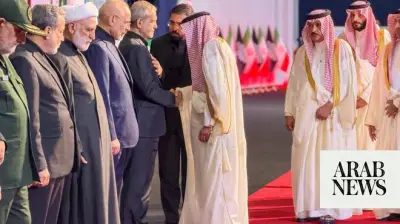
Pakistani mediators, led by Prime Minister Shehbaz Sharif, shuttled between the two sides for months. This effort highlights how central this country has become to the region's diplomacy. It also raises a question Pakistani strategists have quietly debated for years: if Iran does get the bomb, does that help Pakistan or hurt it? The answer is not obvious, partly because Pakistan's position in the region is already unusual. It shares borders with two nuclear-armed states, India and China, and it remains the only Muslim-majority country to have tested a nuclear weapon. Its relationships with Iran, Afghanistan, the Gulf monarchies, and India all pull in different directions, and none of them are simple.
A Crowded Nuclear Neighborhood
A nuclear Iran would not be added to a blank map. It would be added to one that is already crowded. Islamabad's current strategic picture is built around India first, with China as the steadying counterweight and nuclear supplier of last resort. Afghanistan remains a running headache along the western border, where the Pakistani Taliban continue to operate from sanctuaries the Kabul government either cannot or will not shut down. Add in a Gulf security order that is being redrawn in real time, and Pakistan is already managing more variables than most nuclear states have ever had to juggle at once.

Theoretical Perspectives on Nuclear Proliferation
Whether more nuclear weapons make a region safer is an old argument in strategic studies, and it never really gets resolved. Kenneth Waltz took the optimist's side: more nuclear states, he argued, tend to behave more cautiously once the stakes of war become unbearable. Thomas Schelling's writing on bargaining and coercion pointed toward similar logic, that the fear of catastrophe can impose real discipline on rival capitals. Scott Sagan represents the other camp, warning that command-and-control failures, weak institutions, and organizational accidents make new nuclear states more dangerous, not less. Iran, run by a security establishment with limited transparency and a recent history of assassinated leadership, is not an obvious test case for either theory. It could go either way, and that uncertainty is itself the problem.

Arguments For and Against a Nuclear Iran
There is a case, made in some Pakistani strategic circles, for welcoming a nuclear Iran. It would complicate Israeli freedom of action and reduce the sense that Western military power sets the terms in the Gulf. It might also pull some of India's attention and resources toward its western maritime flank, assisting New Delhi's focus there. A nuclear Iran, in this reading, diversifies power in a region that has for too long answered to outside powers. The counterargument is harder to dismiss. A nuclear Iran means Pakistan would sit next to three nuclear neighbors instead of two, in a neighborhood already short on margin for error. Today's cooperative ties with Tehran, built on shared concerns about Baloch militancy and border security, are not guaranteed to survive a change in Iranian leadership or doctrine. Sectarian friction, largely managed rather than resolved, could sharpen if Iran's nuclear status becomes entangled with regional Shia-Sunni politics, dragging Pakistan into disputes it has spent decades trying to sidestep. Gulf Arab states, wary of Iranian power for reasons that predate this war, would expect Islamabad to pick a side more clearly than it has so far. And a nuclear Iran would almost certainly push others, Saudi Arabia and possibly Turkey and Egypt among them, to explore their own weapons options, turning today's single flashpoint into several. Pakistan would also lose its clout among this weight and its status as the sole nuclear power in the Muslim world, a distinction that has given it outsized diplomatic weight for a quarter century.
Pakistan's Actual Conduct and Practical Goals
Pakistan's actual conduct suggests its planners have already weighed these costs. Islamabad has consistently defended Iran's right to civilian nuclear technology while stopping well short of endorsing weaponization, and it has avoided the kind of rhetoric that would associate it with Iran's nuclear ambitions. Its mediating role in this year's war fits the same pattern: manage the crisis, protect trade routes and energy supplies, and keep the door open for de-escalation, without taking ownership of Iran's nuclear choices.
Conclusion: Preserving the Current Balance
None of this suggests that Pakistan is actively campaigning against Iran's rise, nor is Islamabad cheering it on. From a strategic perspective, what Pakistan actually wants is narrower and more practical: an Iran that is stable, economically connected to the region, and influential without crossing the weapons threshold. That outcome preserves the balance Pakistan already has to manage, and it avoids adding a third nuclear fault line to a neighborhood that has already given Islamabad more than enough to worry about.