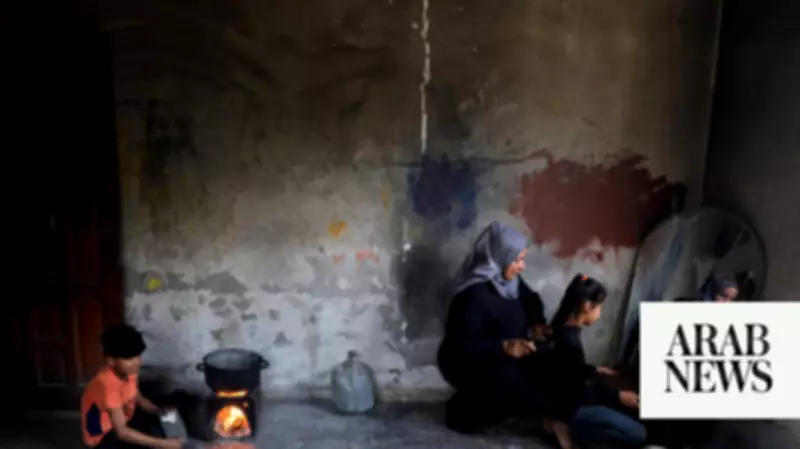
Palestinians in Gaza marked the 78th anniversary of the Nakba on Friday, with many saying the current catastrophe surpasses the events of 1948. Yusuf Abu Hamam, a 78-year-old survivor of the original Nakba, described the present situation as even worse. The village he fled as an infant, Al-Joura, was destroyed by Israeli forces and now lies under Ashkelon. His home in Shati Camp has been heavily damaged by Israeli bombardment during the past two and a half years of war.
What Was the Nakba?
The Nakba, Arabic for "catastrophe," refers to the mass expulsion and flight of some 750,000 Palestinians from what is now Israel during the 1948 war surrounding Israel's creation. Around 80 percent of Palestinians in the area became refugees. Israel refused their return to maintain a Jewish majority. Today, some 6 million Palestinian refugees live in camps across the West Bank, Lebanon, Syria, Jordan, and Gaza.
Gaza's New Catastrophe
For Ne'man Abu Jarad and his wife Majida, the current war has brought unprecedented devastation. Their hometowns of Beit Lahiya and Beit Hanoun have been razed. Rafah and other areas are destroyed. The couple, displaced over a dozen times, now live in a tent in Khan Younis. "The Nakba of '48 cannot be compared to our Nakba," Majida said. "In '48, people were displaced once and settled. Our displacement has happened multiple times." According to UN estimates, 90 percent of Gaza's 2 million people have lost their homes. Israel's offensive has killed over 72,700 Palestinians since October 7, 2023.

Saving History
The Nakba also caused loss of personal history. UNRWA staff rescued crucial documents like birth and death certificates from Gaza, carrying them through checkpoints. Majida lost family photos when her parents' home was destroyed. Abu Hamam said, "Entire families were erased from the civil registry. Hundreds of families are still buried under the rubble."