PTI's Nationwide Strike Shows Divergent Provincial Responses
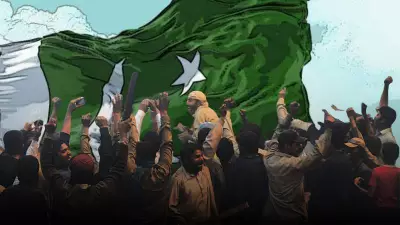
The Pakistan Tehreek-e-Insaf (PTI) and its opposition alliance, the Tehreek-e-Tahafuz Aein-e-Pakistan (TTAP), called for a countrywide wheel-jam and shutter-down strike on Sunday, but the results varied dramatically across different provinces. According to TTAP's own assessment, Punjab ranked last in achieving the desired protest outcome, while other regions reported more substantial disruptions.
Punjab's Minimal Response Amid Celebrations
In Punjab, particularly in Lahore—the epicenter of national politics—the strike had negligible impact. The city remained bustling with Basant celebrations throughout the day. Additionally, residents across the province enjoyed an extended weekend due to Kashmir Day and consecutive Basant holidays, followed by Sunday, which likely diluted protest participation.
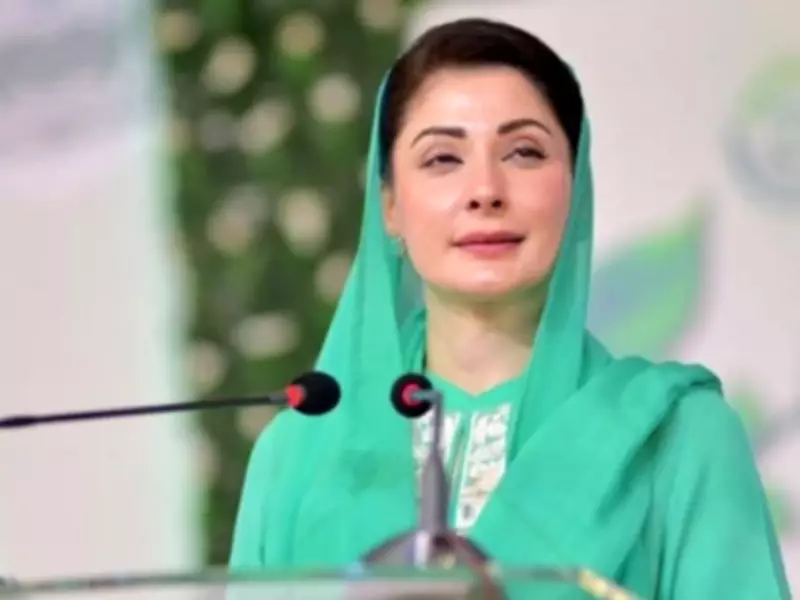
Punjab Chief Minister Maryam Nawaz mocked the opposition's efforts in a social media post, stating without naming any party: "Zero protest, zero shutter-down." Activities observed in Punjab included small-scale walks by a dozen people holding lights, reflecting the organizers' inability to mobilize significant protests. TTAP spokesperson Akhundzada Hussain acknowledged that the least activity was witnessed in Punjab, attributing this to what he called the provincial government's "high-handedness" and "ironclad control" over political space. He alleged that strict policing, pre-emptive restrictions, and pressure on traders prevented large-scale mobilization.

Stronger Disruptions in Other Provinces
In contrast, Balochistan was described by TTAP as an "overwhelming success," with Akhundzada claiming that major arteries were blocked and businesses shut across several districts. Khyber-Pakhtunkhwa (K-P), a traditional PTI stronghold, saw district-wise rallies in addition to wheel-jams and shutter-downs, according to party officials. Sindh also witnessed notable disruption, with many towns observing near-complete shutdowns. Notably, Larkana—the traditional stronghold of the Pakistan Peoples Party (PPP)—reportedly had markets closed for much of the day.
Leadership and Strategic Responses
TTAP chief Mehmood Khan Achakzai did not attend any TTAP-organized protest events on Sunday, instead participating in the late Asma Jahangir's conference. When questioned about his absence, Akhundzada explained that Achakzai had committed to the conference well in advance. Regarding whether this was PTI's weakest protest showing since the elections, Akhundzada stated it aligned with TTAP's devised plan.
PTI's Punjab spokesperson MPA Brig (retd) Mushtaq emphasized that the strike relied on voluntary participation. He noted that torch-bearing marches were a last-minute addition to the plan and that the kind of aggression typically associated with such activities was deliberately avoided to maintain a peaceful approach.
This protest action follows earlier announcements by TTAP in January for transport blockades and commercial shutdowns across Pakistan, aimed at protesting alleged large-scale rigging in the general elections. The mixed outcomes highlight the varying political dynamics and provincial responses to opposition calls for nationwide agitation.