Lebanon announced a partial ceasefire between Hezbollah and Israel on Monday, marking a limited de-escalation in a conflict that has killed thousands and inflamed the broader US-Israeli war on Iran. According to Lebanon's embassy in Washington, the agreement does not end the conflict but calls for Israel to refrain from strikes on Beirut and its Hezbollah-controlled suburbs, while the Iran-aligned group would halt attacks on Israel.
Continued Hostilities in Southern Lebanon
Hostilities in southern Lebanon, which Israel invaded in March, continued on Monday evening. Early Tuesday, the Israeli military said it intercepted two projectiles from Lebanon into northern Israel, with no injuries reported. US President Donald Trump, who announced the agreement, said Hezbollah pledged not to attack Israel through intermediaries. No US president has ever spoken with Hezbollah, which the US designates as a terrorist organization.
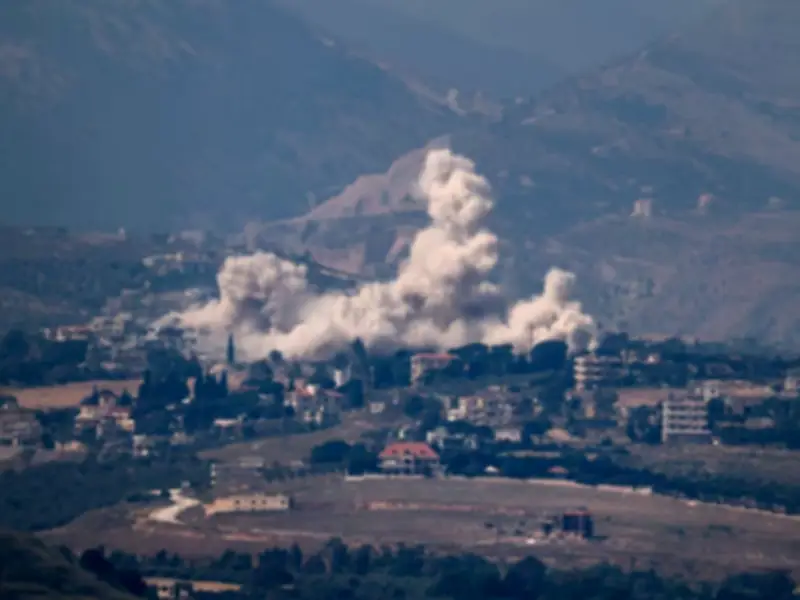
Trump also stated that Israeli Prime Minister Benjamin Netanyahu agreed to pull back troops preparing to attack Beirut. Netanyahu later said Israel would continue military operations in southern Lebanon, where ground forces are pushing toward the Zaharani River, their deepest invasion in 25 years.

Hezbollah and Lebanese Stance
Hezbollah lawmaker Hassan Fadlallah said the militia would support a full ceasefire across Lebanon as a precursor to Israeli troop withdrawal, but did not confirm halting strikes on Israeli territory. Lebanon said it would seek to expand the ceasefire in talks with Israel in Washington on Wednesday, potentially renewing efforts to end the three-month-old war that began with US and Israeli attacks on Iran.
The process has been stalled under a fragile ceasefire as negotiators disagree on an initial peace framework. The Israel-Hezbollah war erupted on March 2 as an offshoot of the broader conflict. Iran has insisted on a halt to Israeli attacks in Lebanon as a condition for any deal, while the US views the conflicts as separate.
Iranian Threats and Oil Prices
Iranian Foreign Minister Abbas Araghchi stated that a ceasefire between Iran and the US is unequivocally a ceasefire on all fronts, including Lebanon. Israeli forces continued attacks across southern Lebanon, firing artillery near Nabatieh and striking villages like Shukin and Kafr Tibnit, according to Al Jazeera. Israeli drones also struck Tallet Tol in Nabatieh district, and an air attack hit near Tibnin.
Iranian state media reported that Tehran was halting indirect peace negotiations with the US and might end a ceasefire that has largely held since early April, citing the war in Lebanon. There was no direct confirmation from Iranian officials. Trump told an NBC reporter he had not heard from Iran and said in a CNBC interview that peace talks had become boring and he did not care if they ended. Since mid-March, Trump has repeatedly claimed to be close to a peace agreement but has not signed one.
Despite the ceasefire, Iran and the US have exchanged strikes several times over the past week. The head of Iran's Revolutionary Guards Quds Force, Esmaeil Qaani, threatened to expand its blockade from the Strait of Hormuz to the Bab El Mandeb Strait, another Red Sea chokepoint. Iran has already disrupted maritime traffic in the Gulf, which provided one-fifth of the world's oil and LNG before the war, sending oil prices up 4% on Monday.