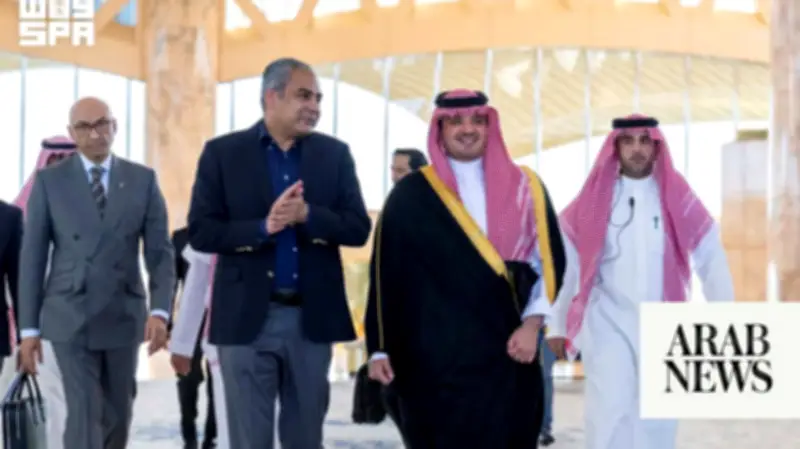
Pakistan's Interior Minister Mohsin Naqvi arrived in Riyadh on Tuesday evening for talks on security, counter-narcotics, and institutional cooperation, state-run APP reported. He was received at King Khalid International Airport by Saudi Interior Minister Prince Abdulaziz bin Saud bin Naif.
Visit Aims to Strengthen Bilateral Security Coordination
The visit is part of ongoing efforts to deepen Pakistan-Saudi cooperation, particularly in internal security and combating narcotics trafficking. APP described the visit as an opportunity to discuss matters of mutual interest and expand collaboration between the two interior ministries.
Pakistan and Saudi Arabia share close political, economic, security, and defense ties. The visit comes as Islamabad seeks to strengthen security coordination with Gulf states, home to millions of Pakistani workers who are a vital source of remittances, investment, and diplomatic support.

Naqvi's Role in Regional Diplomacy
Naqvi has emerged as a key envoy in regional diplomacy, including Pakistan's outreach to Tehran to facilitate talks between the United States and Iran. Pakistan hosted direct high-level talks between US and Iranian officials in Islamabad in April after helping broker a ceasefire following weeks of conflict.
Naqvi subsequently made several visits to Tehran as Islamabad conducted shuttle diplomacy with Iranian leaders, coordinating closely with Qatar and other regional partners. These efforts led to the signing of the Islamabad Memorandum of Understanding, a framework committing Washington and Tehran to a ceasefire, reopening of the Strait of Hormuz, and negotiations on Iran's nuclear program, sanctions, and regional security.
Recent Developments in US-Iran Talks
Last month, senior US and Iranian officials met in Bürgenstock, Switzerland under the Islamabad Memorandum framework. Pakistan and Qatar announced that the talks produced a roadmap toward a final agreement within 60 days, established a High-Level Committee to oversee the process, and launched technical negotiations on sanctions, nuclear matters, maritime security in the Strait of Hormuz, and a ceasefire in Lebanon.