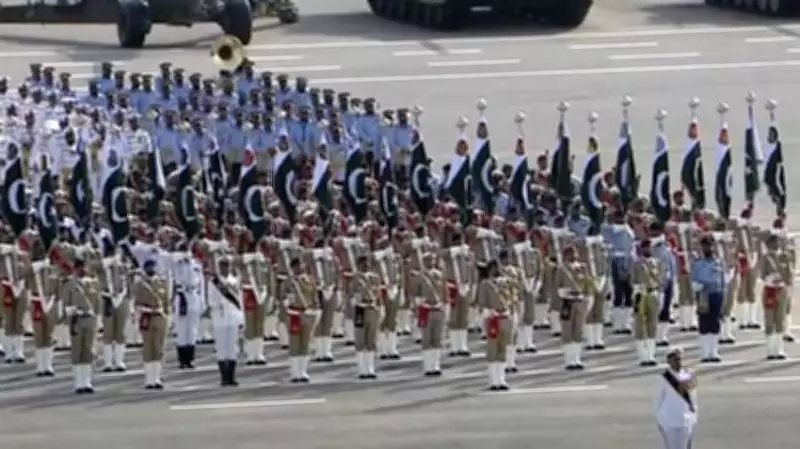
President Cancels Pakistan Day Parade Amid Austerity Measures
In a significant move reflecting the government's commitment to fiscal discipline, President Asif Ali Zardari has officially cancelled the Pakistan Day military parade scheduled for March 23, 2026. This decision comes as part of broader austerity measures aimed at reducing public expenditure and addressing the country's pressing economic challenges.
Background and Rationale
The cancellation of the annual parade, traditionally held in Islamabad to commemorate the Lahore Resolution of 1940, marks a departure from longstanding national traditions. According to official sources, the government is implementing strict cost-cutting initiatives to manage the national budget more effectively. The parade, which typically involves elaborate military displays, flyovers, and cultural performances, incurs substantial costs related to logistics, security, and public resources.
President Zardari emphasized that this step is necessary to prioritize essential public services and economic stability over ceremonial events. In a statement, he highlighted the need for prudent financial management during times of economic strain, noting that the savings from this cancellation will be redirected towards critical areas such as healthcare, education, and infrastructure development.

Public and Political Reactions
The announcement has sparked mixed reactions across the political spectrum and among the general public. Supporters of the government applaud the decision as a responsible and forward-thinking measure that aligns with the current economic realities. They argue that in an era of fiscal constraints, it is imperative to focus resources on tangible benefits for citizens rather than symbolic displays.
However, critics and opposition leaders have expressed disappointment, viewing the cancellation as a blow to national pride and tradition. Some have raised concerns about the potential impact on military morale and public sentiment, suggesting that alternative, low-cost commemorations could have been considered instead.
Economic Context and Implications
This move occurs against a backdrop of ongoing economic challenges in Pakistan, including inflation, debt management issues, and the need for structural reforms. The government's austerity drive is part of a larger strategy to stabilize the economy and attract international financial support. By cancelling high-profile events like the Pakistan Day parade, authorities aim to demonstrate fiscal responsibility to both domestic stakeholders and international partners.
Analysts note that while such measures may be unpopular in the short term, they could contribute to long-term economic resilience if implemented consistently. The decision also sets a precedent for reevaluating other non-essential expenditures across government departments, potentially leading to further cost-saving initiatives in the future.
Looking Ahead
Despite the cancellation, the government has assured that Pakistan Day will still be observed through other means, such as flag-hoisting ceremonies, cultural events, and educational programs that emphasize the historical significance of the day. These alternatives are expected to be more cost-effective while still fostering national unity and patriotism.
In conclusion, the cancellation of the Pakistan Day parade underscores the government's focus on austerity and economic management. As Pakistan navigates its financial challenges, this decision highlights the difficult trade-offs between tradition and fiscal prudence, with implications for public policy and national identity moving forward.