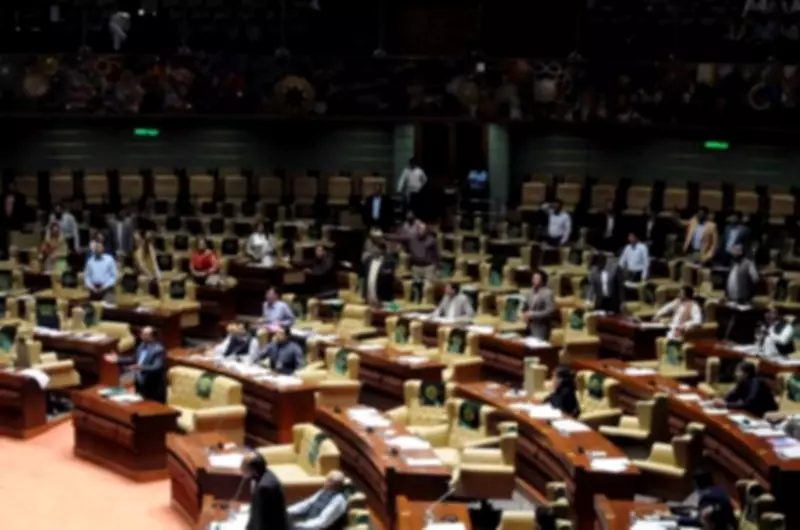
MQM-P's Internal Rift Becomes Evident in National Assembly Proceedings
The Muttahida Qaumi Movement-Pakistan (MQM-P), a key political entity in Pakistan, is currently grappling with visible internal divisions that have spilled over into the National Assembly. Recent parliamentary sessions have highlighted significant disagreements among its members, raising concerns about the party's cohesion and future political strategy.
Conflicting Stances on Key Issues
During the latest National Assembly meeting, MQM-P representatives displayed opposing views on several critical matters, including legislative proposals and government policies. This discord was particularly noticeable in debates over economic reforms and local governance issues, where some members advocated for a more collaborative approach with the ruling coalition, while others pushed for a stricter opposition stance.
The rift within MQM-P is not entirely new but has intensified in recent months, fueled by differing opinions on party leadership and strategic direction. Observers note that these internal conflicts could potentially weaken the party's influence in parliament and affect its ability to effectively represent its constituents, especially in urban centers like Karachi.

Implications for Political Stability
The visible divisions within MQM-P have broader implications for Pakistan's political landscape. As a significant player in coalition politics, any instability within the party could impact government stability and legislative processes. Analysts suggest that this rift might lead to realignments or even splits within the party if not addressed promptly.
Furthermore, the situation underscores the challenges faced by political parties in maintaining unity amid diverse viewpoints and regional pressures. The MQM-P's internal struggles reflect a common trend in Pakistani politics, where factions often emerge over ideological or strategic differences.
Future Outlook and Party Dynamics
Looking ahead, the MQM-P leadership is expected to hold internal discussions to bridge these gaps and present a more unified front. However, the persistence of these divisions could influence upcoming electoral strategies and alliances. The party's ability to resolve its internal conflicts will be crucial for its role in future parliamentary sessions and its overall political relevance.
In summary, the MQM-P's rift, as evidenced in the National Assembly, highlights ongoing internal challenges that could shape Pakistan's political dynamics in the coming months. Stakeholders are closely monitoring the situation for any developments that might alter the party's trajectory or impact broader governance issues.