Motorists in Rawalpindi are facing a significant financial burden as they report being penalized twice for the same traffic violations, a situation that has sparked widespread discontent among drivers and legal professionals alike. The issue arises from the overlapping enforcement actions of traffic wardens and the Safe City Project's automated surveillance system, leading to what many describe as an unfair and excessive fining process.
How the Double Fining System Operates
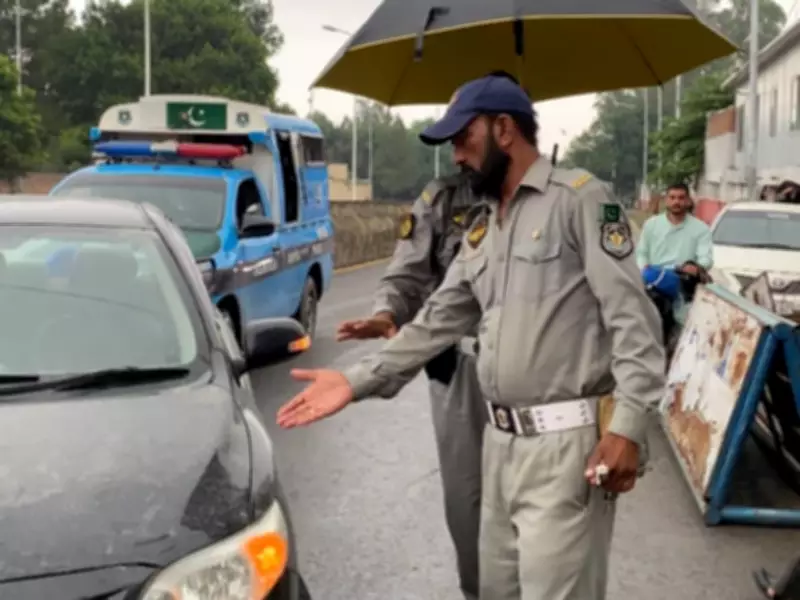
When a motorist is stopped by a traffic warden for a violation such as jumping a traffic signal or failing to wear a seat belt, they are issued an on-the-spot fine. However, in a parallel process, the Safe City Project's autonomous system also generates an e-challan for the same offence. Officials have reportedly informed drivers that both fines must be paid to the government, as the Safe City system operates independently from the traffic police. Failure to comply, they warn, could result in vehicle impoundment, adding pressure on motorists to settle both penalties.
Procedural Flaws and Motorist Frustrations
The Safe City system automatically issues fines for various infractions, including illegal turns and stopping beyond the stop line at signals. Copies of these e-challans are uploaded to a shared WhatsApp record, which traffic wardens access during stops. When checking vehicles—ranging from motorcycles and rickshaws to taxis and vans—wardens hand over any existing Safe City fines, effectively imposing a double penalty. Drivers have voiced strong protests, noting that Safe City fines cannot be challenged on any forum and are treated as final, with payment mandatory in all circumstances to avoid vehicle seizure.

Calls for Reform and Legal Intervention
Affected motorists, such as Qalandar Abbasi and Asif Khan, are advocating for a citizen-friendly overhaul of the fining system. They propose reducing penalties from Rs2,000 to Rs500 to alleviate the financial strain on drivers. In support, the President of the Rawalpindi District Bar Association, Advocate Tariq Mahmood Sajid Awan, confirmed that bar members have lodged complaints regarding these excessive fines. He announced that the District and High Court bars plan to meet with the City Traffic Police, City Police Officer, and Deputy Commissioner this week to present these issues and seek a resolution that prioritizes citizen welfare. The bar associations have firmly opposed the imposition of such harsh penalties, highlighting the need for a more equitable approach to traffic enforcement in the city.