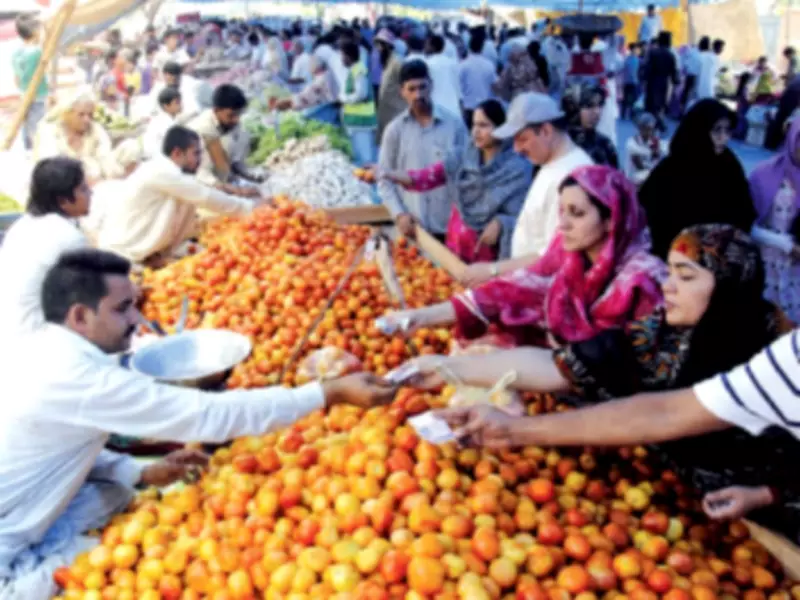
In a significant departure from a decades-long tradition, the district administration of Rawalpindi Division has announced the complete abolition of subsidized Ramazan bazaars for the current year, citing a severe financial and economic crisis. This decision marks the end of a 46-year continuous practice that began during the era of former president General Ziaul Haq in 1979.
Historical Context and Scale of the Change
Ramazan and Friday bazaars were first introduced as a public welfare initiative to provide affordable essential goods to citizens during the holy month. Over the years, this system expanded significantly across the division. Annually, 16 subsidized Ramazan bazaars were established within Rawalpindi city alone, with an additional 27 operating throughout Rawalpindi Division, serving thousands of families.
Complete Discontinuation of Government-Run Markets
This year, for the first time in nearly five decades, no subsidized Ramazan bazaar will be set up at any official level in Rawalpindi city or across the division. The government-run subsidized Friday bazaars have also been permanently discontinued as part of this austerity measure.

The closure extends beyond the main city markets to include weekly bazaars in suburban areas such as:
- Morgah
- Kotha Kalan
- Khanna Pul Side
- Dhoke Hassu (Tuesday bazaars)
Only Sunday bazaars will remain functional, but even these will operate without the usual government oversight. Official duties related to checking, monitoring, and quality control by various government departments have been completely withdrawn from all remaining markets.
Alternative Arrangements and Public Impact
At locations previously designated for subsidized Ramazan bazaars, shopkeepers, traders, and hawkers will be permitted to set up markets on a self-help basis. However, no government department will be involved in monitoring or performing duties at these makeshift markets, raising concerns about price regulation and quality control.
Adding to the challenges for fasting residents, Utility Stores will also not operate during Ramazan this year. This dual discontinuation is expected to create serious difficulties for people in purchasing essential items including:
- Vegetables and fruits
- Grocery items
- Gram flour and dates
- Various food items and essential commodities
Government's Alternative Relief Measures
Instead of the traditional subsidized bazaars, the government has implemented alternative relief measures. Under the "Nighaban Eid Gift" scheme, each eligible family will receive Rs13,000 in financial assistance. Additionally, the administration plans to supply red flour and sugar at official rates through special stalls set up at major chowks and large shops throughout the division.
This fundamental shift in Ramazan welfare policy represents one of the most significant changes to public assistance programs in Rawalpindi Division's recent history, reflecting the depth of the current economic challenges facing the region.