Punjab Chief Minister Reviews Progress on Historic Development Plan
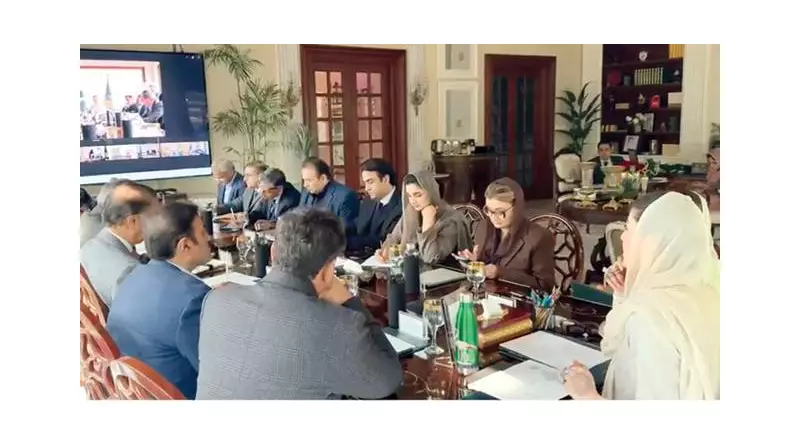
Punjab Chief Minister Maryam Nawaz Sharif chaired a special meeting on Sunday to assess the progress of the Punjab Development Plan, issuing directives to ensure all projects are completed transparently and on schedule by June 2026. The meeting focused on implementing what officials have termed the largest development programme in the province's history, underscoring the government's commitment to urban renewal and public welfare.
"Maryam Nawaz's Beautiful Punjab" Initiative Launched in 51 Cities
The chief minister announced that development work under the "Maryam Nawaz's Beautiful Punjab" initiative has commenced in 51 cities across the province. Priority areas include:
- Sewerage systems and drainage lines
- Road rehabilitation and paving
- Public safety and healthcare facilities
- Other basic civic amenities
She emphasized that sewerage and essential infrastructure projects must be finalized in every city within the stipulated timeframe to address long-standing civic issues.

Enhanced Oversight and Grievance Redressal Mechanisms
To improve oversight and public grievance redressal, Chief Minister Maryam Nawaz ordered the establishment of provincial and district-level control rooms. She stated that all projects would be monitored on a round-the-clock basis and announced her personal involvement in overseeing the on-ground implementation of the Punjab Development Plan. This move aims to ensure accountability and efficiency in project execution.
Major Development Packages and City-Wise Progress
During the meeting, officials briefed on several key initiatives:
- A development package worth Rs42.62 billion has been launched for Gujranwala, described as the city's largest-ever initiative. It includes 131 kilometres of sewerage lines, two kilometres of drainage lines, a wastewater treatment plant, and 16 machinery units.
- Deputy Commissioners from Multan, Dera Ghazi Khan, Bhakkar, Vehari, Wazirabad, Gujranwala, Sheikhupura, and Kasur presented detailed progress reports.
- Overall, the plan involves constructing 5,887 kilometres of sewerage lines and 181 kilometres of drainage lines across the 51 cities.
Additional Infrastructure and Beautification Projects
In addition to sewerage and drainage, the development plan encompasses:
- Paving of 100 kilometres of roads and streets across Punjab.
- Installation of over 33,000 new manhole covers.
- Production of high-density polyethylene (HDPE) sewerage pipes to support infrastructure needs.
Specific City-Wise Development Highlights
Detailed briefings were provided for various cities, showcasing the scope of the development efforts:
- Multan: 232 kilometres of sewer lines, 81 pumps, 51 generators, 64 kilometres of urban roads, and expansion and beautification of Bosan Road, Khanewal Road, Shujaabad Road, and Nishtar Road.
- Dera Ghazi Khan: Sewerage and drainage projects worth over Rs12.25 billion, including construction and rehabilitation of 140 kilometres of sewer lines and conversion of the Manika Canal into an agricultural channel.
- Bhakkar: Projects include a 42-inch diameter sewer line, 100 new manholes, a solar-powered disposal station, parks, walkways, and public washrooms.
- Vehari: Development projects worth Rs6.7 billion are underway.
- Sheikhupura: A 95-kilometre sewerage line is planned.
Chief Minister's Directives for Timely Completion
Chief Minister Maryam Nawaz directed authorities to ensure the timely completion of beautification projects in Vehari and Sheikhupura, while also ordering improvements in cleanliness and civic management. She appreciated the revamping of the District Headquarters Hospital in Kasur and instructed further enhancements in sanitation services, along with early restoration of the sewerage system in Pattoki.

Commitment to Transparency and Improved Living Conditions
Reiterating her commitment, the chief minister stressed that all projects under the Punjab Development Plan must be completed transparently and on schedule. This approach aims to significantly improve living conditions across urban areas of Punjab, addressing infrastructure gaps and enhancing the quality of life for residents. The comprehensive plan reflects a strategic effort to boost provincial development through coordinated and monitored initiatives.