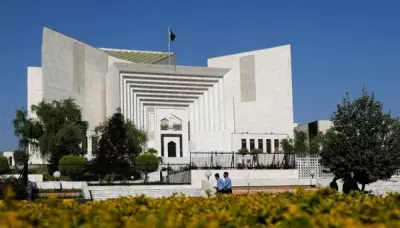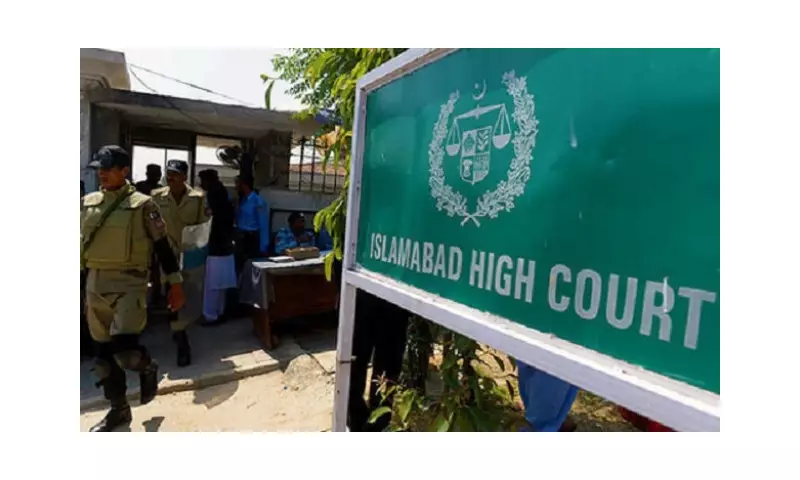
The Islamabad High Court has scheduled a crucial hearing for the second week of November regarding a petition that alleges misconduct against a sitting judge, marking a significant development in Pakistan's judicial landscape.
This judicial matter has garnered considerable attention within legal circles and among court observers who are closely monitoring the proceedings. The case represents an important test for judicial accountability mechanisms within the country's legal system.
Timing and Significance
The scheduling of this hearing for mid-November provides both parties adequate time to prepare their respective cases. Legal experts suggest this timeline reflects the court's careful consideration of the petition's complexity and potential implications for judicial standards.

The upcoming proceedings are expected to address serious allegations that could have far-reaching consequences for judicial conduct and public confidence in the legal system. The case comes at a time when judicial transparency and accountability are increasingly important topics of public discourse.
Broader Implications
This hearing represents more than just an individual case—it touches upon fundamental questions about judicial oversight and the mechanisms available for addressing concerns about judicial conduct. The outcome could potentially influence how similar matters are handled in the future.
The legal community awaits the November hearing with keen interest, recognizing that the court's handling of this sensitive matter will be closely scrutinized and could set important precedents for judicial accountability in Pakistan.