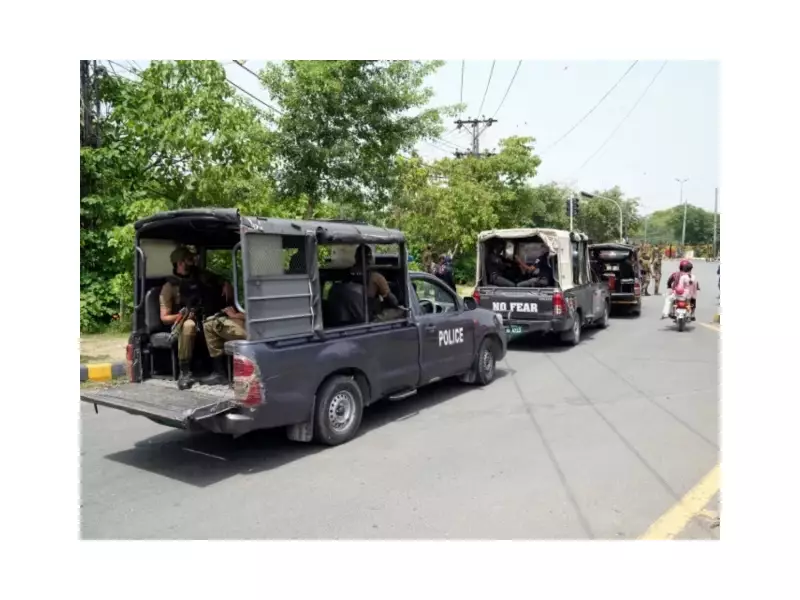
An Anti-Terrorism Court (ATC) in Lahore has issued a stern reprimand to the city's police force over significant delays in submitting formal charge sheets, known as challans, in ongoing cases. The court's intervention came during a hearing concerning a high-profile case, where it was revealed that the required legal documents had not been filed in a timely manner, causing a stall in judicial proceedings.
Court's Stern Directive to Lahore Police
The presiding judge of the ATC took strict notice of the situation, expressing clear dissatisfaction with the police's handling of the procedural matter. The court emphasized that such delays are unacceptable as they obstruct the course of justice and violate the legal rights of the accused to a speedy trial. The judge directed the investigating officer and relevant police officials to appear before the court at the next hearing to provide a concrete explanation for the holdup.
The court has demanded immediate action to rectify the delay and ensure the challan is submitted without any further postponement. This move underscores the judiciary's growing impatience with administrative lapses that contribute to case backlogs and prolonged pre-trial detentions. The specific case in question involves serious charges, making the procedural delay even more critical.

Systemic Issues in Case Processing
This incident is not an isolated one but points to a broader, systemic issue within law enforcement's coordination with the judicial system. Delays in submitting challans after an arrest is made are a recurring problem that can derail prosecutions and undermine public confidence in the legal process. The challan is a foundational document that outlines the evidence and charges against an individual, and its prompt submission is crucial for a trial to commence.
Legal experts note that such delays often stem from overburdened investigation units, lengthy evidence collection processes, or bureaucratic inefficiencies. However, the ATC's firm stance signals that these reasons are increasingly being viewed as insufficient excuses. The court's order serves as a warning to all police departments to streamline their post-arrest procedures and adhere to legal timelines strictly.
Implications for Justice and Future Hearings
The court has scheduled a follow-up hearing to monitor compliance with its directive. The presence of senior police officials has been mandated to ensure accountability at a higher level. This judicial scrutiny is expected to set a precedent for how similar delays are handled in other terrorism and serious crime cases across Punjab and potentially other provinces.
The outcome of this judicial notice could lead to more stringent monitoring mechanisms for case progress within police stations. It highlights the ongoing tension between the pace of investigations and the judiciary's mandate to deliver timely justice. For the accused, prolonged delays can mean extended incarceration without trial, while for the state, it risks weakening the case due to fading evidence or witness memories.
Ultimately, the ATC's proactive stance aims to inject urgency into the pre-trial phase, ensuring that legal formalities do not become a bottleneck. The coming days will reveal whether this judicial pressure translates into swift corrective action from the Lahore Police, potentially leading to reforms in how challans are processed and submitted in time-sensitive legal matters.