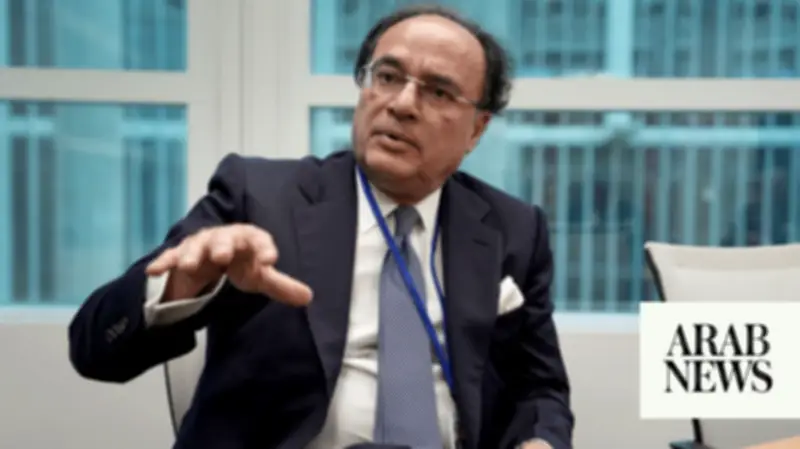
Federal Minister for Finance and Revenue Muhammad Aurangzeb met a delegation from S&P Global Ratings on Thursday to discuss Pakistan's sovereign credit profile, macroeconomic outlook, and progress under the government's comprehensive economic reform agenda. The meeting highlighted Pakistan's gradually improving macroeconomic indicators and structural reforms aimed at strengthening the country's creditworthiness.
Meeting with Top Sovereign Ratings Officials
The delegation comprised YeeFarn PHUA, Director of Sovereign Ratings, and Giulia Filocca, Associate Director of Sovereign Ratings. According to a finance ministry statement, Aurangzeb underscored Pakistan's improving public debt profile, including a sustained decline in the debt-to-GDP ratio, the slowest pace of central government debt growth in around 15 years, active debt management through liability management operations and debt buybacks, extension of the maturity profile of domestic debt, historically lower fiscal deficits, and record primary surpluses.
Macroeconomic Fundamentals and Reform Progress
Aurangzeb highlighted stronger economic growth, sustained fiscal consolidation, and greater resilience in the external sector, supported by the government's FY2026-27 budget. He cited lower inflation, higher foreign exchange reserves, renewed investor confidence, and stronger fiscal and external indicators amid a challenging regional and global environment. The minister told the delegation that reforms under the International Monetary Fund's Extended Fund Facility and Resilience and Sustainability Facility remained on track, with Pakistan continuing to engage with the IMF, the World Bank, the Asian Development Bank, and other development partners.

S&P's Recognition and Credit Rating Upgrade
The S&P delegation acknowledged Pakistan's economic progress and appreciated the government's commitment to fiscal discipline, debt sustainability, external resilience, and structural reforms. In July 2025, S&P upgraded Pakistan's long-term foreign currency sovereign credit rating to B- from CCC+, assigning a stable outlook. S&P Global Ratings is one of the world's three largest credit rating agencies, alongside Moody's and Fitch Ratings, and its assessments influence borrowing costs and access to international capital markets.
Plans for International Capital Markets
The government plans to broaden its access to international capital markets through Panda bonds, Eurobonds, and other commercial borrowing as part of a strategy to diversify financing sources and reshape its external debt profile without increasing overall external debt. Pakistan completed its inaugural $250 million sovereign Panda bond issuance in China's domestic bond market in May and has announced plans for additional Panda bond and Eurobond issuances.
Outlook and Vulnerabilities
In its assessments earlier this year, S&P Global Market Intelligence projected Pakistan's economy to strengthen further in 2026 while warning that the country remains among the Asia-Pacific economies most vulnerable to external shocks, including disruptions from the US-Iran conflict due to its reliance on imported energy and external financing.