Trump's Hormuz Problem: A Brief Explanation of US-Iran Tensions
The Strait of Hormuz has long been a flashpoint in global geopolitics, and during Donald Trump's presidency, it emerged as a critical problem area. This narrow waterway, located between the Persian Gulf and the Gulf of Oman, is vital for international oil shipments, with about one-fifth of the world's oil passing through it daily. Trump's administration faced significant challenges here, primarily due to escalating tensions with Iran, which controls much of the strait's northern coast.
Strategic Importance and Oil Security
The strategic importance of the Strait of Hormuz cannot be overstated. It serves as a chokepoint for global energy supplies, making it a focal point for US foreign policy. Under Trump, the US adopted a hardline stance against Iran, withdrawing from the Iran nuclear deal in 2018 and reimposing harsh sanctions. This move exacerbated tensions, as Iran threatened to disrupt oil traffic in retaliation, directly impacting US interests in regional stability and energy security.
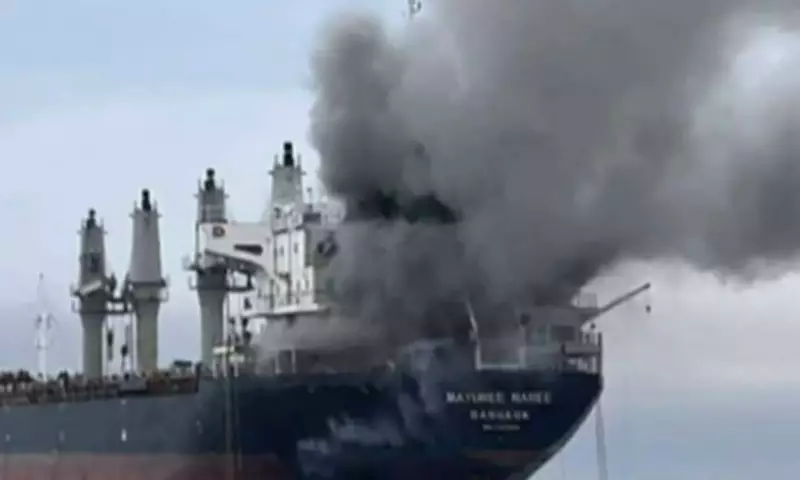
Trump's problem was twofold: ensuring the free flow of oil while countering Iranian aggression without sparking a broader conflict. The US increased its military presence in the region, deploying additional naval forces to patrol the strait. However, this posturing led to incidents such as tanker attacks and drone shootdowns, highlighting the fragile balance of power. The administration's maximum pressure campaign aimed to curb Iran's influence but often risked escalating into open hostilities.

Diplomatic Complexities and Regional Dynamics
Diplomatically, Trump's Hormuz problem was compounded by complex regional dynamics. Allies like Saudi Arabia and the UAE relied on US protection for their oil exports, yet they also sought to avoid a full-scale war. Meanwhile, Iran leveraged its geographic advantage to assert control, using asymmetric warfare tactics like mine-laying and fast-boat harassment. Trump's approach, characterized by tough rhetoric and sanctions, struggled to find a middle ground that would deter Iran without provoking a crisis.
Moreover, the global context added layers to this issue. China and other major oil importers depended on Hormuz for energy, making any disruption a concern for international markets. Trump's policies had to navigate these economic interdependencies while maintaining US dominance. The brief explanation of this problem reveals a persistent dilemma: how to project strength and secure vital interests in a volatile region without triggering unintended consequences.
In summary, Trump's Hormuz problem was a microcosm of broader US-Iran tensions, involving military, economic, and diplomatic strands. It underscored the challenges of managing a key global chokepoint amid rising adversarial relations, with implications for oil prices and regional security that extended far beyond his administration.